
The Role of Local Tree Companies in Sustainable Tree Removal Practices
The modern pursuit of environmental conservation requires a profound commitment to sustainable practices across arboriculture. Preserving urban canopies requires balancing community safety with ecological responsibility, a task that falls squarely on tree care specialists. By focusing on long-term habitat preservation rather than quick removals, local tree companies serve as essential guardians of municipal biodiversity and carbon sequestration. These professionals navigate the line separating urban growth from nature conservation, ensuring that every necessary extraction prioritizes environmental integrity. Through innovative processing and community advocacy, they minimize the ecological footprint associated with heavy tree work.
Understand Sustainable Removal Methods
Implementing ecological tree removal requires a framework that addresses immediate environmental impacts while optimizing resource recovery for the biosphere. Green removals emphasize accurate seasonal timing to avoid disrupting nesting wildlife, utilizing low-impact machinery, and establishing structured replacement planting initiatives. Responsible crews continually evaluate their operational impacts, upgrading skills to align with modern conservation management standards. This detailed oversight ensures that every project supports the broader objective of maintaining a healthy urban infrastructure.
Neglecting these steps leads to severe environmental degradation, ranging from localized habitat destruction to accelerated soil erosion and altered water runoff patterns. Careless clear-cutting damages existing ecosystems, driving away native fauna and diminishing the natural capacity of communities to capture carbon. Professional crews prevent these outcomes by conducting meticulous pre-work assessments and isolating vulnerable flora before starting any major extraction. Their targeted interventions protect the immediate landscape from compounding damage caused by reckless clearing.
The industry has evolved from a historical focus on land clearance to a sophisticated system rooted in modern ecological sciences. Certified experts follow strict municipal guidelines and species protection acts to ensure high accountability across every project. According to the International Society of Arboriculture (ISA), about 65% of property owners choose proactive tree trimming to protect their houses and utility lines from severe weather damage. This preventative behavior highlights how local tree companies assist neighborhoods in achieving long-term safety goals without causing unnecessary ecological harm.
Deploy Innovative Forestry Technologies
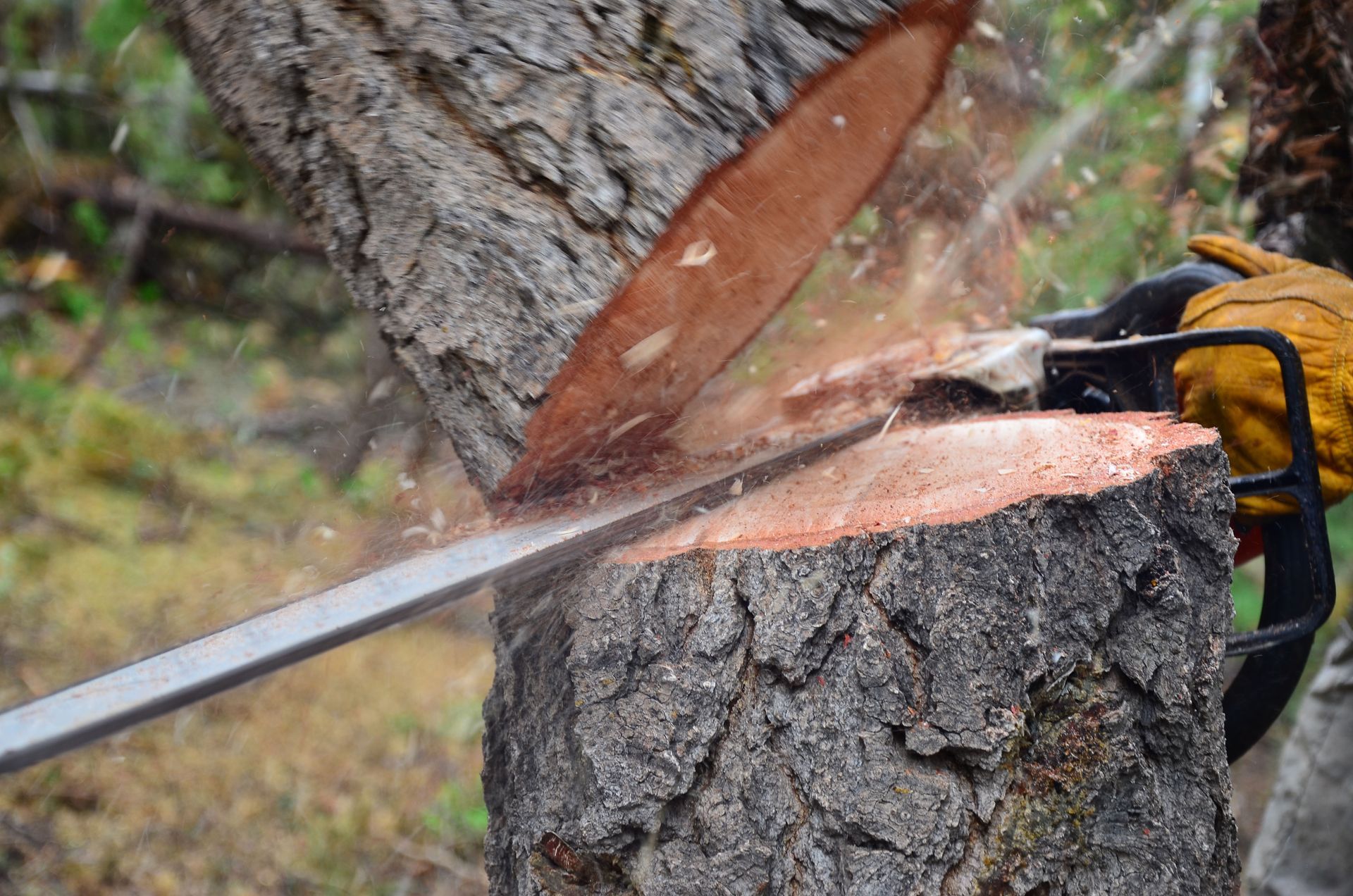
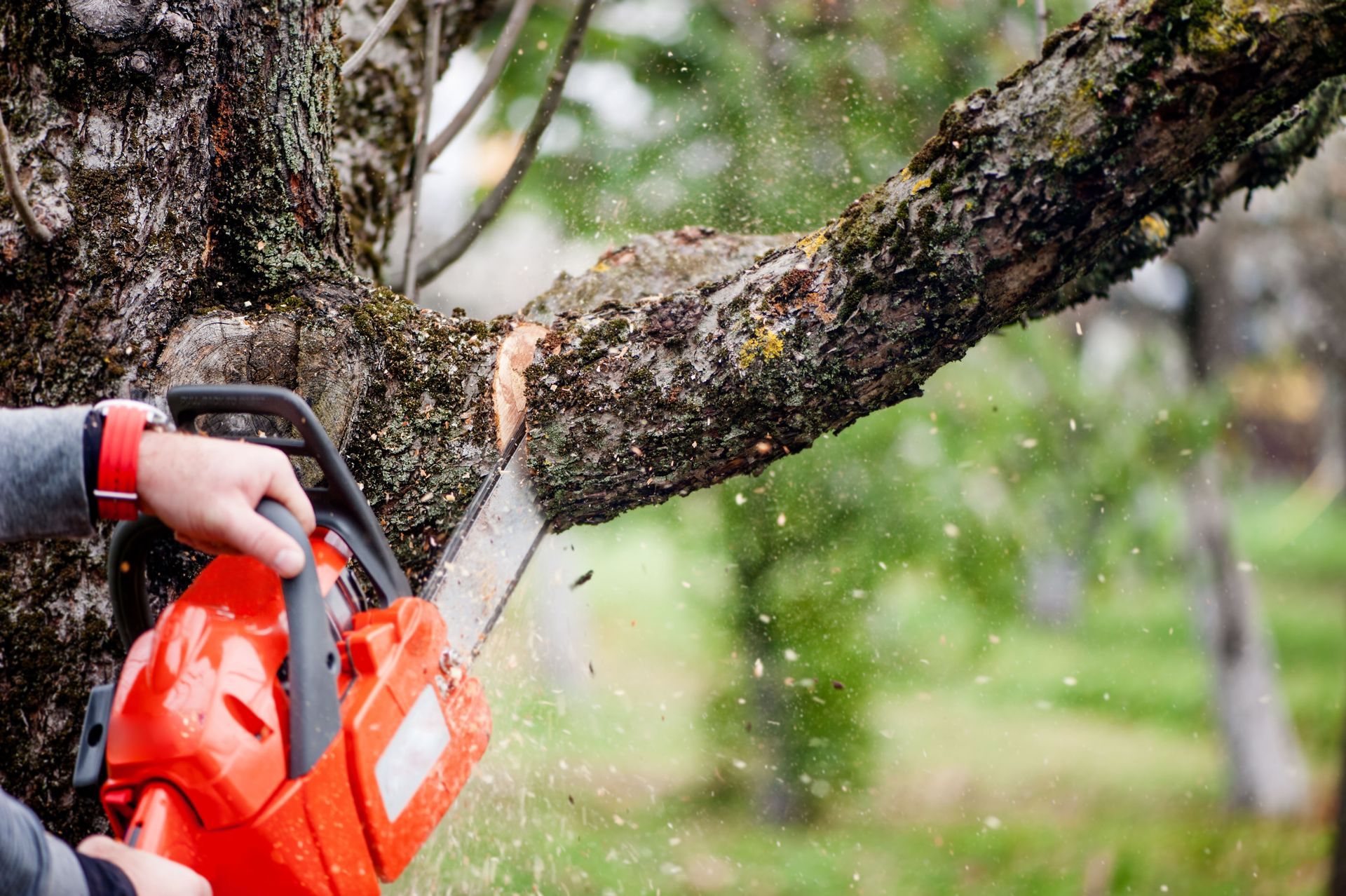
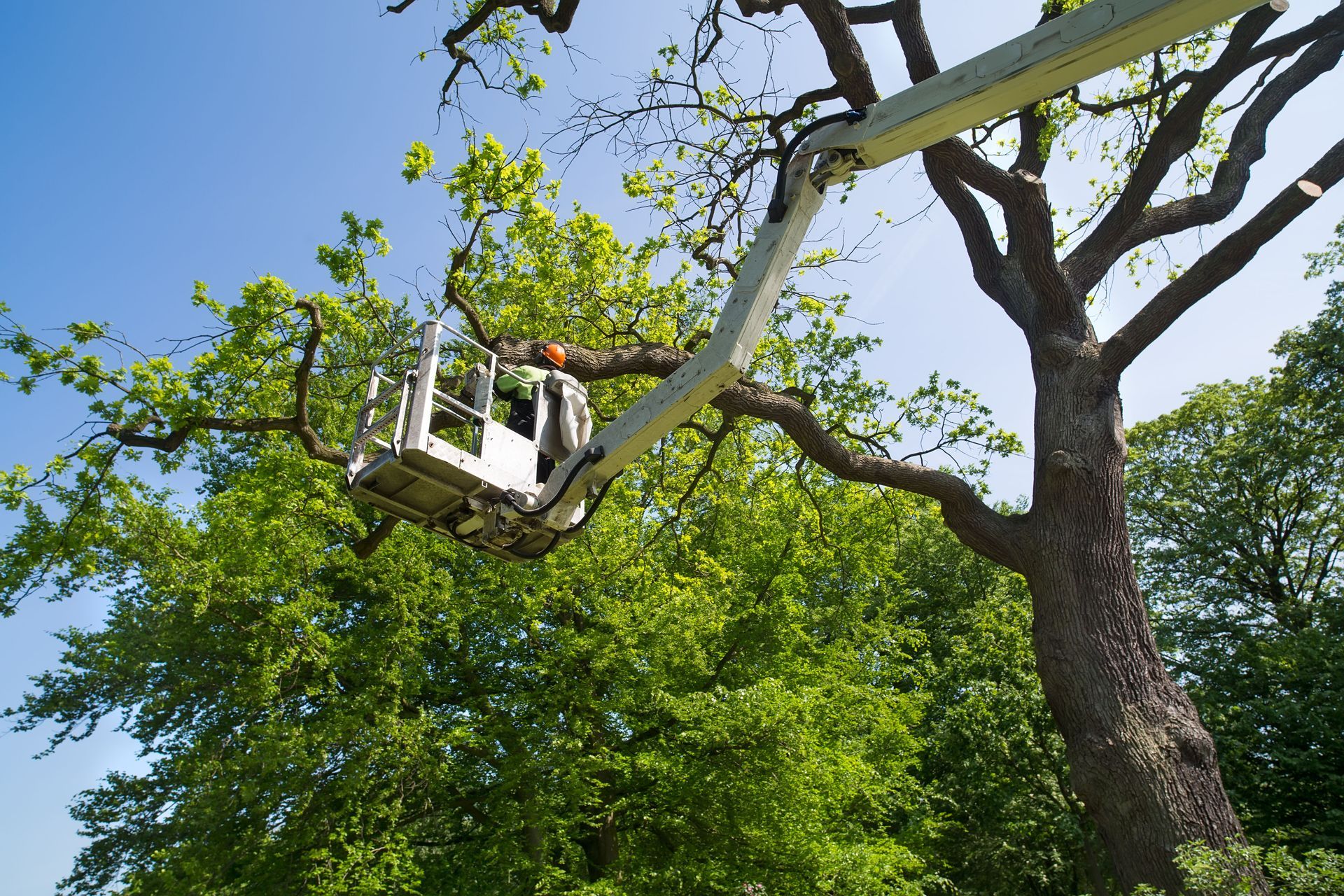
Modern engineering has altered traditional tree care by introducing machinery designed for safety and minimal ground disturbance. Advanced cranes and hydraulic shears allow professionals to dismantle massive trees systematically, avoiding collateral damage. By utilizing these precise tools, local tree companies reduce manual labor risks while protecting undergrowth surrounding the work zone. Remote-controlled equipment allows technicians to manage hazardous situations safely, elevating overall operational safety.
Aerial drones and specialized robotics now assist in diagnosing complex structural issues within dense urban canopies. Drones provide overhead perspectives that help technicians spot early decay, track pest infestations, and plan removals without disturbing nearby wildlife. Robotic tools help execute delicate cuts, reducing human error during high-altitude operations. This technological integration supplies teams with continuous data streams, allowing for smarter planning and highly predictable outcomes.
Relying on geographic mapping and scientific data allows operators to make informed decisions that benefit the regional ecosystem. Modern software calculates tree structural integrity, ensuring removal is a final option rather than a hasty first choice. The adoption of electric tools and biodegradable lubricants lowers the direct carbon footprint of daily field operations. Embracing these systems shows how progressive tree care providers demonstrate dedication to practices that respect the environment.
Realize Local Economic Incentives
Choosing sustainable operational models provides financial rewards through resource efficiency and reduced disposal costs. Processing tree waste into usable mulch or lumber keeps organic material out of landfills while lowering fuel consumption. Eco-conscious methodologies attract a loyal customer base that values environmental responsibility, driving business growth. Many businesses qualify for regional incentives by participating in urban reforestation efforts, proving that eco-friendly policies strengthen the bottom line.
The transition toward green methods expands domestic employment opportunities by creating specialized roles demanding technical competency. Local crews require training in ecological management, rigging safety, and arborist software operations. This educational focus builds a skilled labor force within the community, offering stable career paths that support the regional economy. By investing in staff development, businesses strengthen the community fabric while demonstrating that financial viability can coexist with conservation.
Preserving healthy trees provides economic value by enhancing property valuations and lowering energy costs through shade creation. When removals become unavoidable, conscious handling ensures timber finds secondary life rather than becoming costly waste. Forward-thinking local tree companies capitalize on this market demand by offering transparent, eco-friendly options that resonate with consumers. Meeting these green demands secures long-term profitability and cements their standing as vital economic contributors.
Engage Diverse Neighborhood Populations
Public outreach initiatives conducted by arborists are essential for spreading awareness about the benefits of urban canopy management. Educational programs help demystify tree biology, helping property owners recognize signs of severe structural decay. By maintaining clear communication, companies dispel myths regarding tree maintenance and cultivate a shared sense of environmental stewardship. An educated public is far more likely to support proactive conservation policies within their neighborhoods.
Partnerships with municipal governments allow local tree companies to assist in drafting realistic codes for urban development. These cooperative agreements ensure public safety standards align with conservation goals and wildlife protection laws. Joint initiatives often include community tree-planting days and safety workshops that empower citizens to monitor their own landscapes. Working alongside officials amplifies the positive impact of green initiatives, creating safer and more resilient environments.
Digital media channels allow tree care providers to share educational resources, maintenance schedules, and successful restoration stories widely. Online platforms provide an accessible medium for answering consumer questions about tree health and eco-friendly disposal options. Interactive campaigns highlight the real-world success of local preservation projects, inspiring communities to launch similar green campaigns. Consistent online engagement reinforces the professional reputation of these businesses as accessible, community-oriented leaders.
Confront Modern Industry Obstacles
Navigating complex municipal regulations represents a continuous operational challenge for independent local tree companies working to maintain high ecological standards. Compliance with shifting environmental laws requires administrative oversight, which can strain the modest budgets of smaller regional operations. Investing in low-emission equipment and staff certifications demands substantial capital, creating short-term financial pressure. Despite these hurdles, dedicated teams prioritize compliance because they recognize its importance in preserving biodiversity.
Balancing daily operational expenses with long-term conservation targets requires creative business strategies and efficient project management. Green disposal methods can cost more initially than traditional dumping, requiring companies to educate clients on the value of these practices. Overcoming consumer skepticism about the pricing of sustainable services requires transparent communication regarding waste processing benefits. Establishing value-driven partnerships with local recycling centers helps mitigate these costs, ensuring green choices remain affordable.
Competing against massive national corporations that prioritize high-volume clearing over selective preservation poses an ongoing market challenge. Large entities leverage economies of scale to offer cut-rate pricing, undermining smaller businesses focused on quality care. Regional businesses counter this pressure by emphasizing personalized service, deep community roots, and unyielding environmental standards. Highlighting sustainable practices allows smaller operations to attract discerning clients who prioritize ecological health over basic low-cost clearing.
Safeguarding the delicate balance of our urban ecosystems requires a dedicated, ongoing commitment from everyone involved in property management. Through the integration of advanced technologies, community outreach, and responsible waste management,
local tree companies demonstrate that commercial success can align perfectly with environmental preservation. As we look toward an increasingly green future, the expertise provided by regional arborists will remain indispensable for fostering resilient neighborhoods. We encourage you to contact our team at Big Orange Tree Service by Jason Stiltner to manage your landscape sustainably and secure your property today.

Share On: