
What to Do When You Suspect a Tree Is Rotting Inside
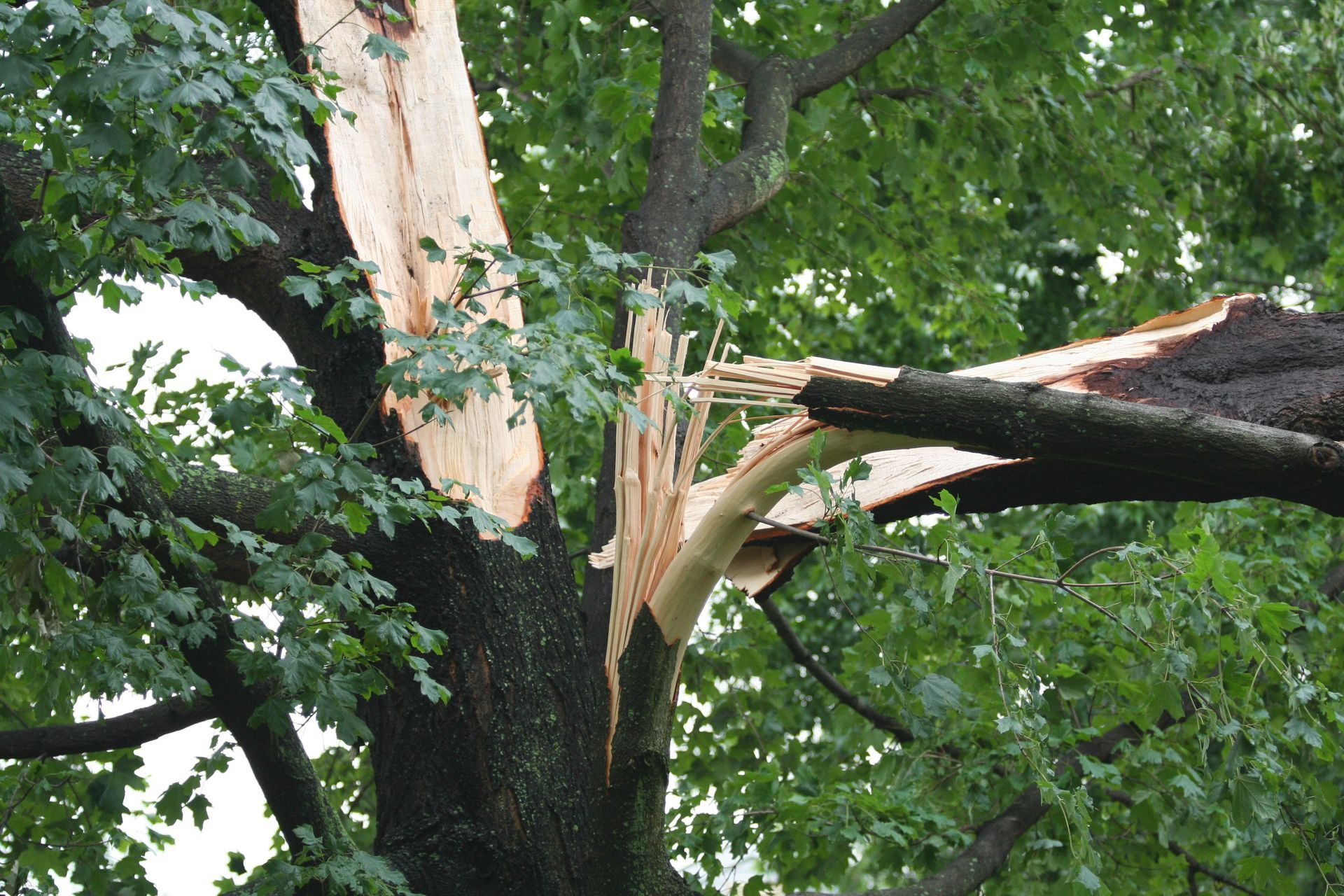
Maintaining mature trees adds beauty, shade, and value to any property, but hidden interior decay poses a quiet yet serious risk to surrounding structures and personal safety. While a tree may appear vibrant and full of green leaves on the outside, wood-decaying fungi, past storm damage, or internal insect infestations can slowly hollow out the trunk and major scaffolding branches from within. Internal decay compromises structural integrity, leaving heavy branches or entire trunks vulnerable to sudden collapse during storms, heavy winds, or severe weather events. Identifying early warning signs of internal decay allows property owners to take proactive measures before catastrophic failure occurs. Recognizing subtler indicators—such as unusual mushroom growths around the base, bark cracks, or hollow cavities—is crucial for maintaining a safe landscape. When internal decay is suspected, obtaining an accurate diagnosis from certified arborists ensures that proper mitigation or removal steps are executed safely. Partnering with a reliable local tree company provides peace of mind through professional tree health evaluations, risk assessments, and specialized care tailored to your landscape.
Identifying Exterior Warning Signs and Structural Anomalies
Observing subtle changes in a tree's outer appearance often reveals critical clues about hidden internal decay. Property owners should regularly inspect trunks and major scaffold limbs for unusual bark peeling, deep vertical fissures, or soft, crumbling wood sections. Fungal fruiting bodies, such as shelf mushrooms or conks growing along the trunk or near the root flare, strongly indicate that internal wood-decaying fungi are actively breaking down structural heartwood. Additionally, hollow cavities, missing bark patches, or oozing sap can signal that internal rot has taken hold behind the outer bark. A thinning canopy, dead upper branches, or off-season leaf discoloration also suggest that decay has compromised the tree's internal nutrient and water transport systems. Noticing these visual red flags early enables property owners to address potential hazards before structural failure threatens nearby property or vehicles. Scheduling a comprehensive evaluation with a trusted local tree company helps determine whether internal decay has progressed to dangerous levels.
Evaluating Root Flare Integrity and Soil Conditions
Inspecting the area where the trunk meets the ground provides vital insights into the overall structural stability of a decaying tree. The root flare serves as the stabilizing anchor of any large tree, distributing weight and absorbing mechanical stress caused by wind loads. When fungal decay attacks the root crown or underground anchoring roots, the tree loses its ability to remain securely anchored in the soil. Property owners should look for signs of root rot, such as soft or decaying surface roots, mushroom clusters emerging directly from the soil near the trunk, or abnormal ground heaving. Cracking soil or exposed, lifted roots on one side of the trunk often indicate that the root system is failing and the tree is beginning to lean dangerously. Ignoring root flare decay increases the risk of complete uprooting during heavy downpours or high wind conditions. Engaging an experienced local tree company ensures that root system integrity is thoroughly inspected using specialized ground probes and diagnostic techniques.
Performing Advanced Internal Decay Diagnostic Testing
Determining the exact extent of interior trunk hollows requires advanced diagnostic tools beyond simple visual inspections. Professional arborists utilize specialized equipment, such as acoustic tomographs, resistographs, and micro-drills, to measure internal wood density without causing unnecessary harm to the tree. Acoustic testing sends sound waves through the trunk; slower wave speeds reveal hollow zones, decay pockets, or internal cracks where solid wood has deteriorated. Resistograph drills measure resistance as a fine needle penetrates the trunk, generating precise readings of healthy heartwood versus decayed, soft sapwood. These non-invasive diagnostic methods allow experts to map internal decay patterns accurately, assessing structural stability without guessing. According to University of Maryland Extension, you should consider tree removal if one-third of the tree's interior is hollow or rotten. Utilizing scientific testing methods empowers property owners to make informed decisions regarding tree retention, crown reduction, or complete removal. Hiring a knowledgeable local tree company delivers precise diagnostic data to guide your tree management strategy effectively.
Assessing Safety Risks to Nearby Property and Structures
Calculating the potential target zone of a decaying tree is an essential step in managing overall property risk. A target refers to anything that could be damaged or injured if the tree or its major limbs suffer structural failure, including homes, garages, power lines, driveways, and pedestrian walkways. Trees situated near residential structures or public spaces demand a lower tolerance for internal decay than trees located in isolated, naturalized wooded zones. Arborists evaluate tree height, lean direction, canopy weight distribution, and surrounding target vulnerability to assign a formal risk rating. If internal rot compromises major structural limbs extending over rooflines or outdoor gathering areas, immediate intervention becomes necessary to prevent catastrophic impacts. Proactive risk management minimizes financial liabilities and protects family members and neighbors from unexpected limb drop or trunk failure. Consulting with a certified local tree company provides expert risk assessments that help prioritize high-hazard tree removals or structural pruning.
Exploring Support Systems and Pruning Interventions
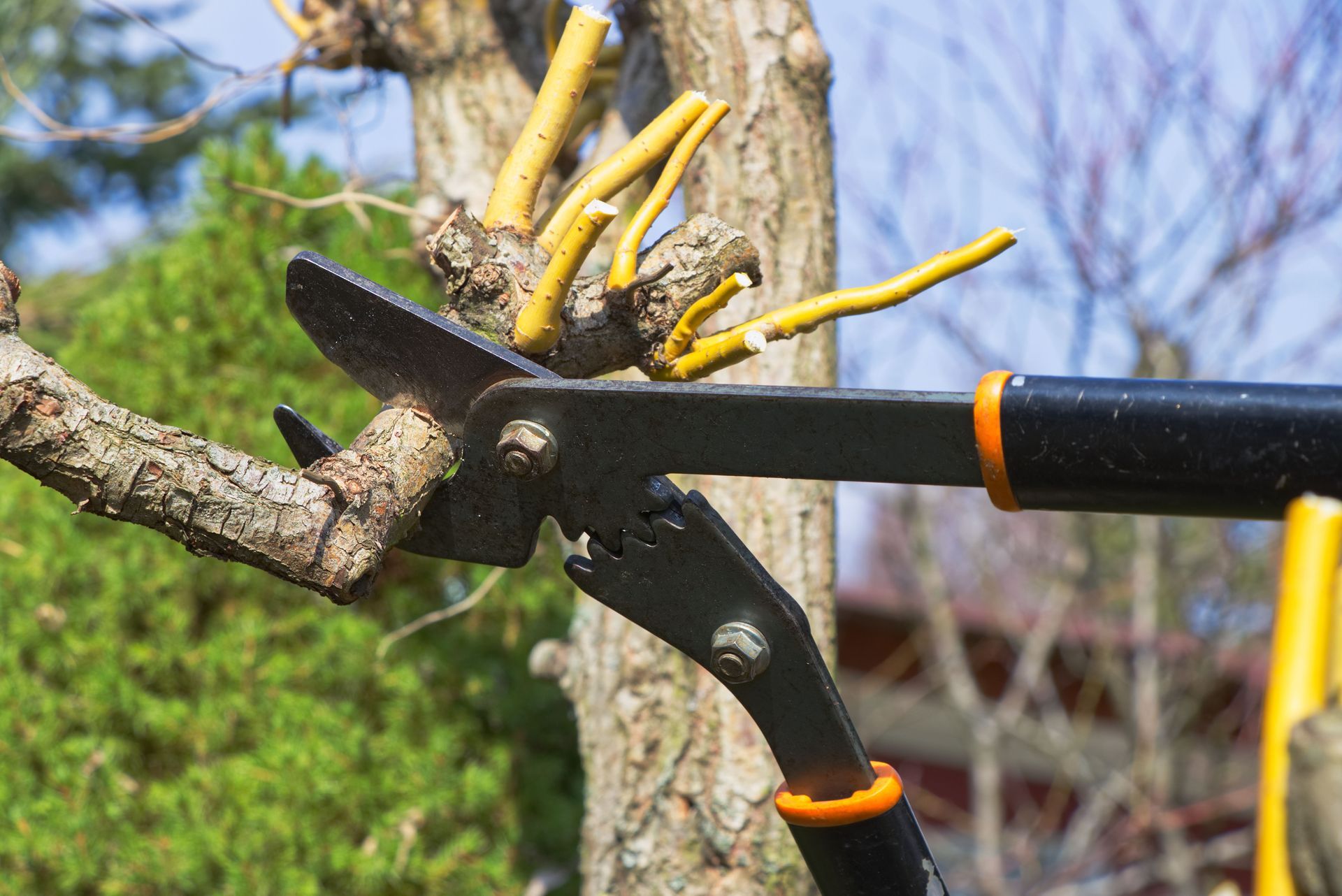
Preserving a valued shade or historic tree affected by minor internal decay sometimes involves implementing structural support systems and corrective pruning. In cases where internal rot is limited and structural integrity remains largely intact, certified arborists can install dynamic cabling and steel bracing rods to reduce mechanical stress on weakened limbs or split codominant trunks. Supplemental support systems help redistribute canopy weight, allowing the tree to withstand strong wind gusts without snapping at decay sites. Additionally, targeted crown reduction pruning removes excess end-weight from compromised branches, lowering leverage forces exerted on decaying internal wood. Reducing canopy density also improves air circulation and sunlight penetration, slowing down fungal growth and encouraging healthy compartmentalization. However, structural support measures must be designed and installed by trained professionals to ensure safety and long-term effectiveness. Requesting an evaluation from an expert local tree company clarifies whether non-invasive support systems can safely extend your tree's lifespan.
Executing Safe Tree Removal and Site Mitigation
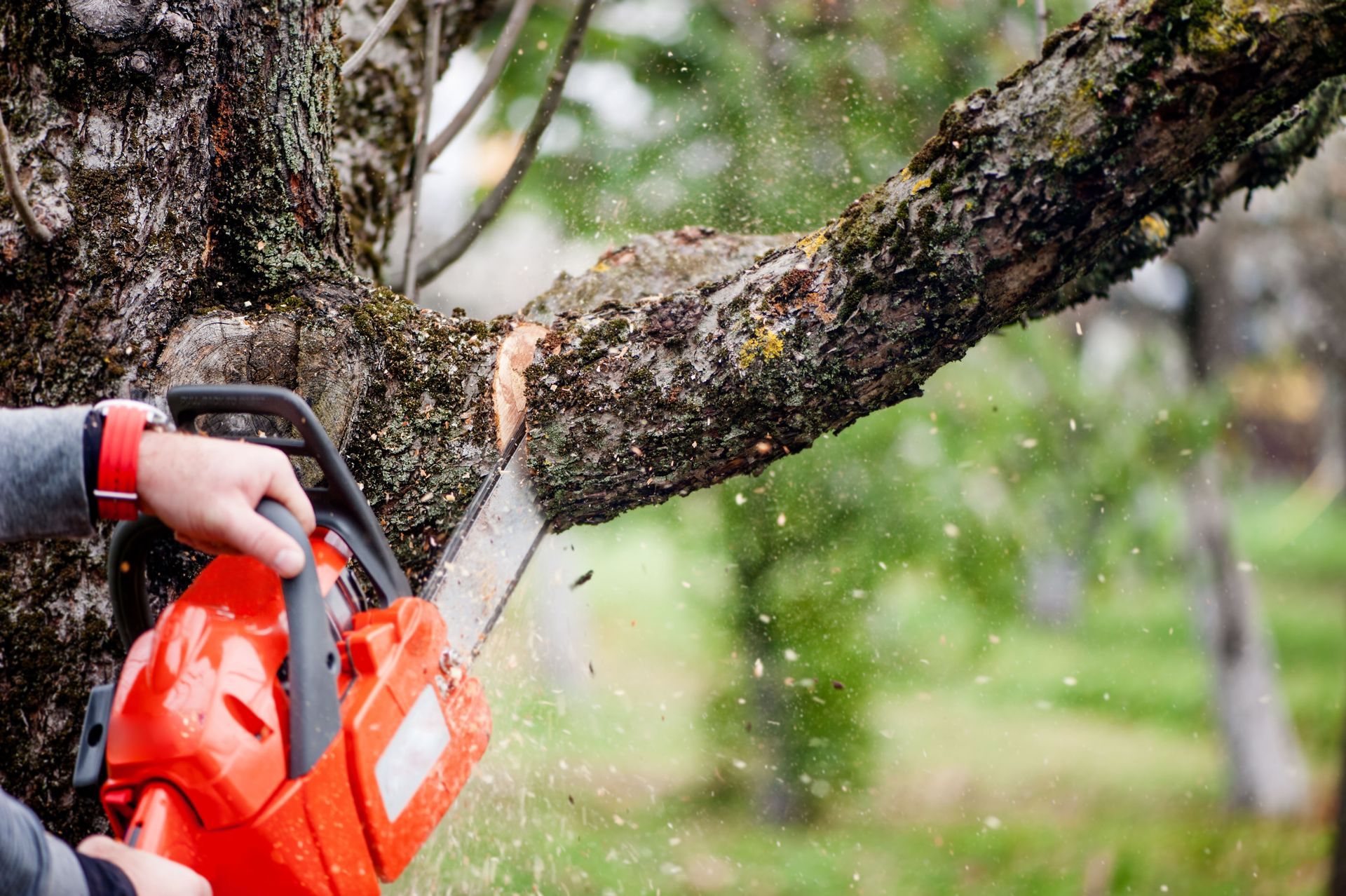
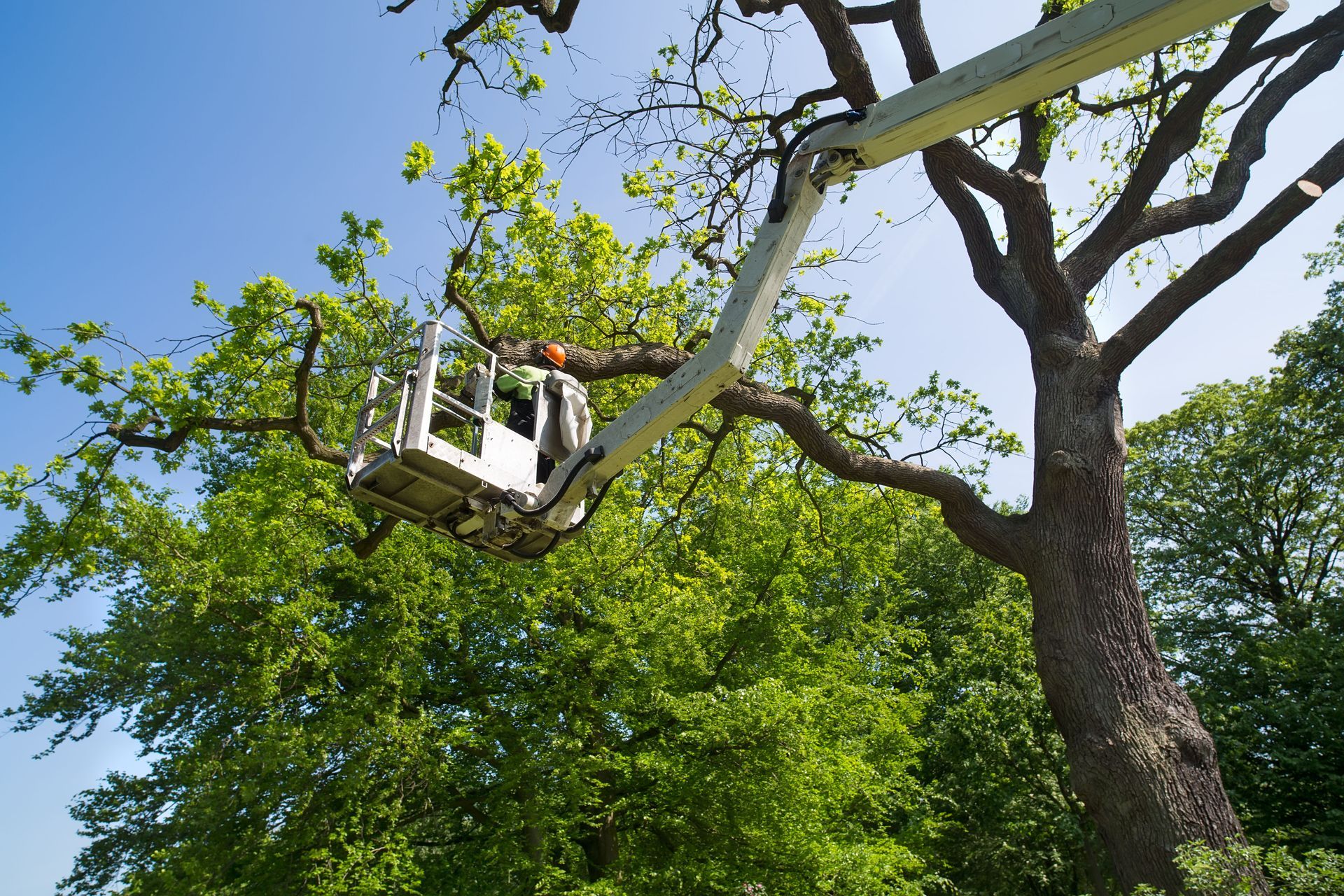
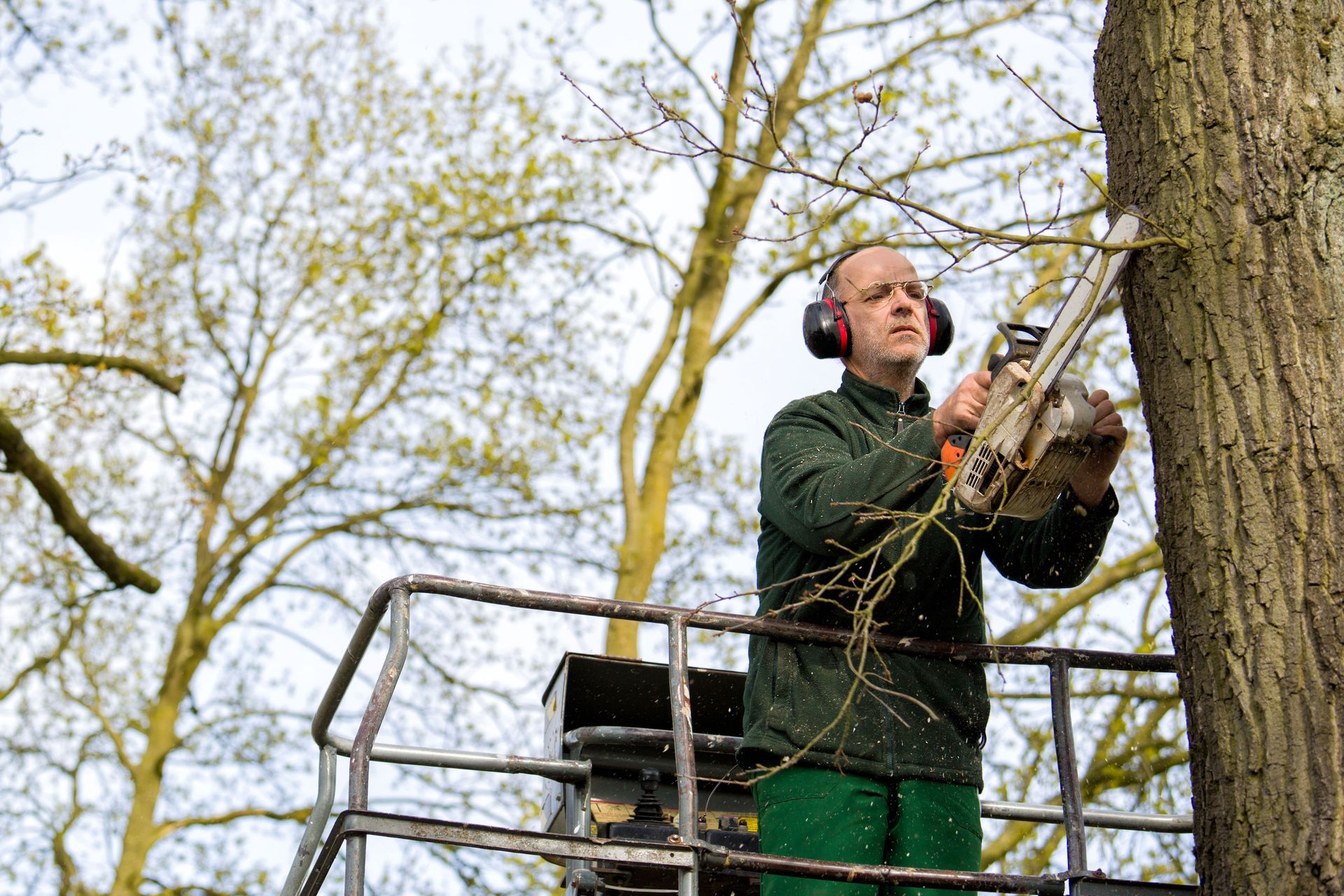
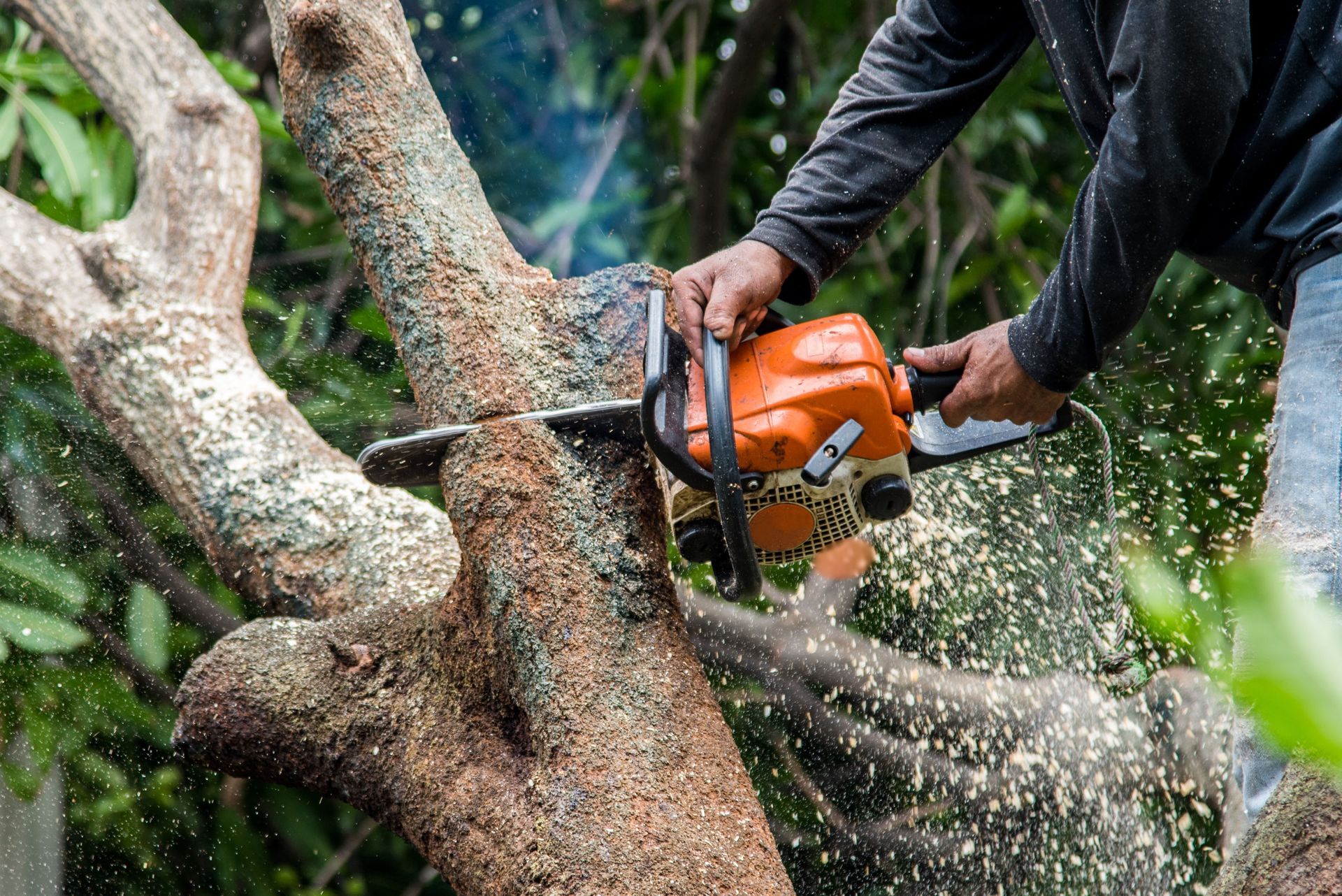
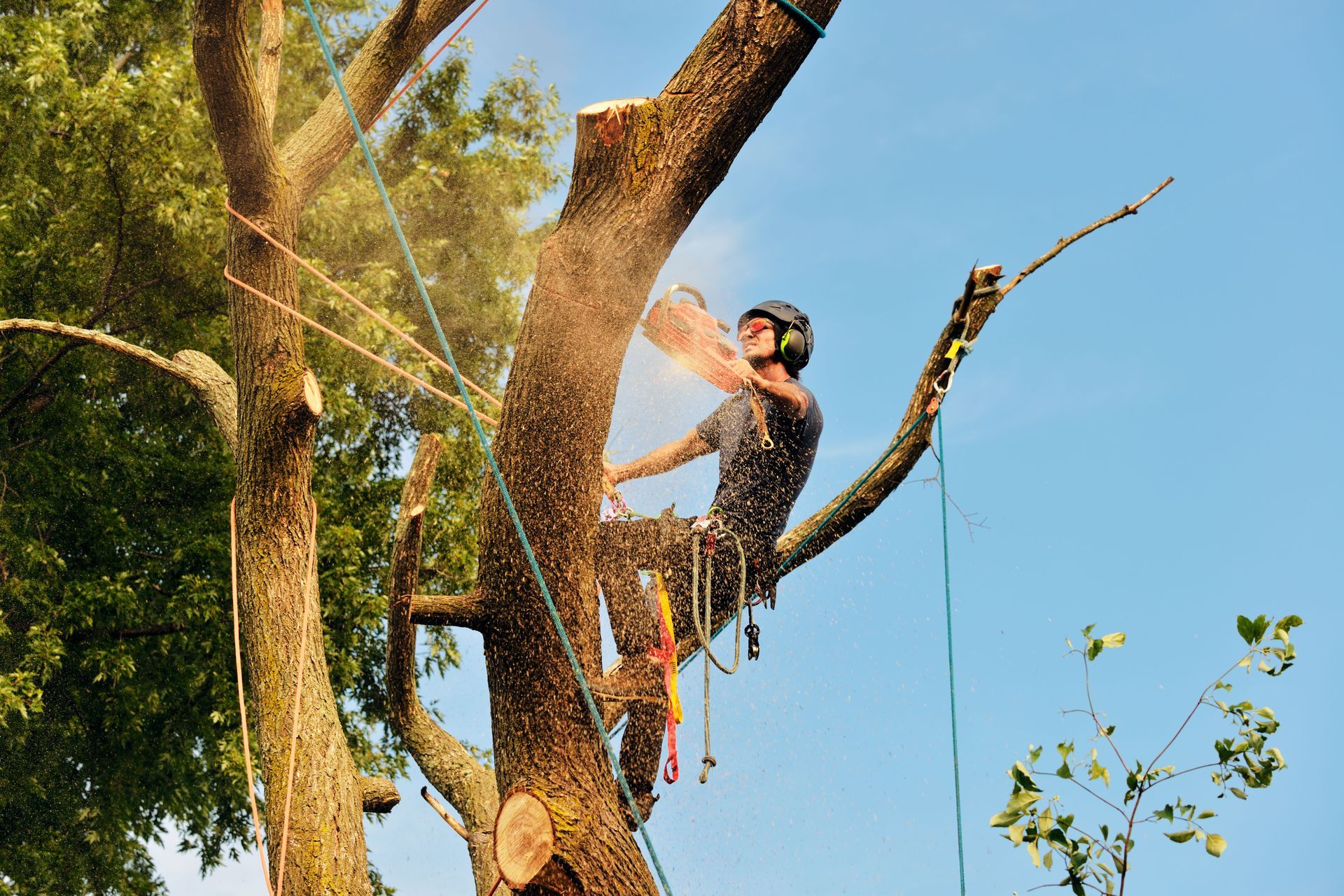
Removing a heavily decayed tree demands specialized equipment, strategic rigging techniques, and rigorous safety protocols to prevent accidental property damage. Decayed trees present unique hazards during removal because compromised wood may not safely support traditional climbing gear or heavy rigging loads. Professional tree care specialists utilize bucket trucks, mobile cranes, and advanced rigging systems to lower heavy sections carefully to the ground without impacting surrounding structures. Crews systematically remove branches from the top down, controlling every section with precision ropes and friction devices. Once the main trunk is safely dismantled, stump grinding equipment removes the remaining below-ground stump and surface roots, preventing remaining fungal spores from spreading to neighboring healthy trees.
Detecting internal tree decay early safeguards your family, home, and landscape from unexpected structural failures and severe storm damage. From monitoring subtle bark anomalies and root flare mushrooms to performing advanced sonic tomography and executing precision tree removals, managing hidden wood decay requires expert knowledge and specialized tools. Taking a proactive approach to tree health ensures that dangerous hazards are addressed promptly, preserving the safety and beauty of your property year after year. Protecting your real estate investment requires partnering with certified arborists, high-grade safety equipment, and proven industry techniques. At Big Orange Tree Service, we take immense pride in delivering top-tier tree health evaluations, risk assessments, structural pruning, and emergency tree removals across every property we care for. Contact us today to schedule your comprehensive tree health consultation, explore our professional hazard mitigation options, and discover how our experienced team can keep your outdoor living spaces safe and vibrant.
Share On: