
Storm Damage and Tree Services: What to Do After Severe Weather
The aftermath of severe weather can leave a trail of destruction affecting landscapes and properties. Understanding how to evaluate and address storm damage is crucial for safety and recovery. From immediate safety assessments to long-term landscape management strategies, these guidelines aim to equip you with the knowledge necessary to navigate post-storm challenges. Tackling storm damage methodically helps mitigate risks and ensures a swift recovery process for your property.
Working with professional providers of tree services ensures that hazardous situations are addressed safely and efficiently. Proper post-storm management restores order to your outdoor spaces and protects your home from further potential harm. Having a reliable strategy in place makes the recovery process smooth and manageable.
Assessing Immediate Safety Concerns
Immediately after a storm, assessing the structural integrity of buildings and surrounding areas is crucial. Severe weather can compromise roofs, walls, and foundations, leading to potential collapse risks. Look for signs of damage like cracks, water infiltration, and shifted structures. Consulting a structural engineer if any concerns arise helps prevent further damage or accidents. Ensuring the safety of your living environment remains the primary concern during the initial phase of storm recovery.
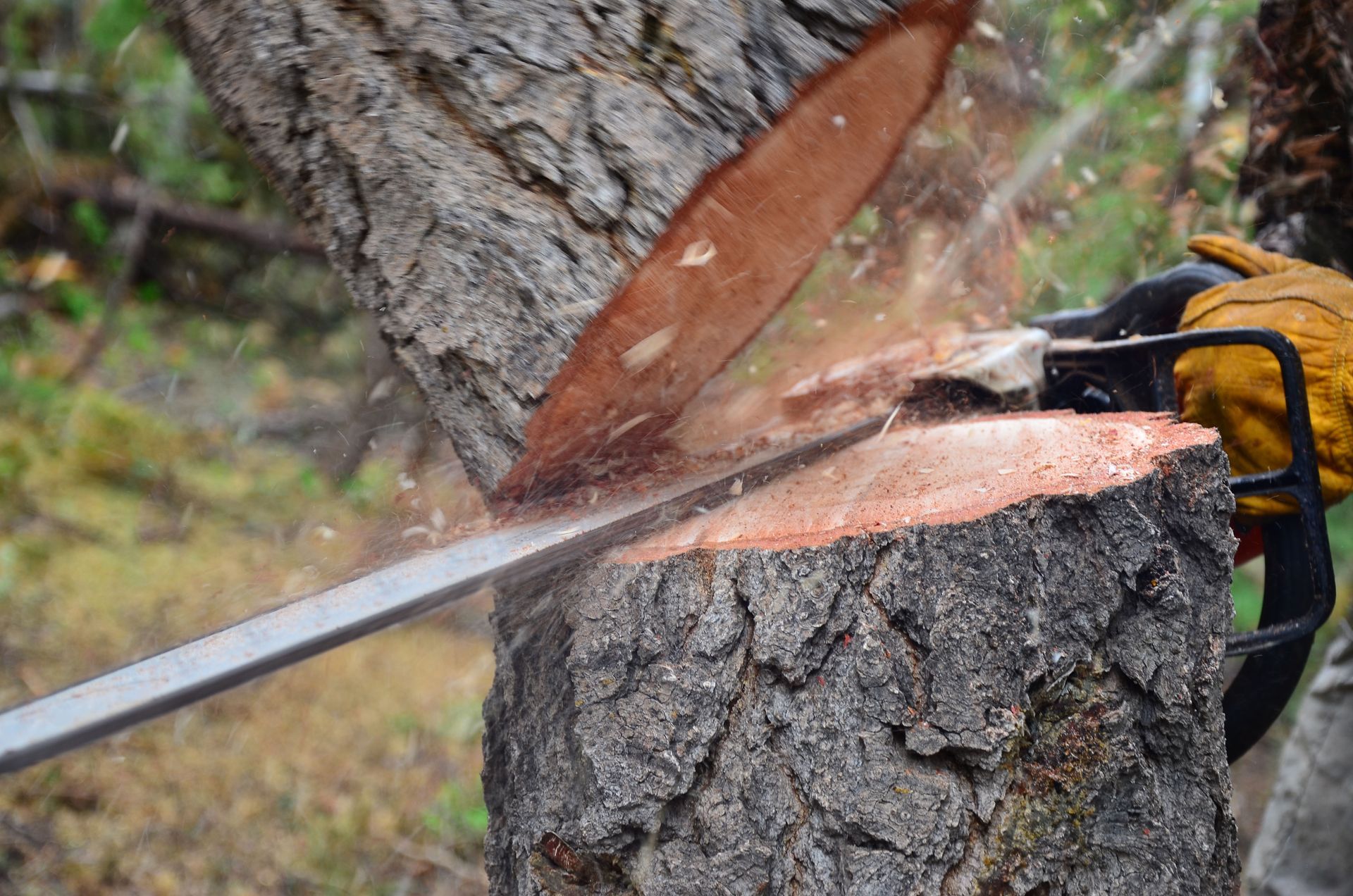
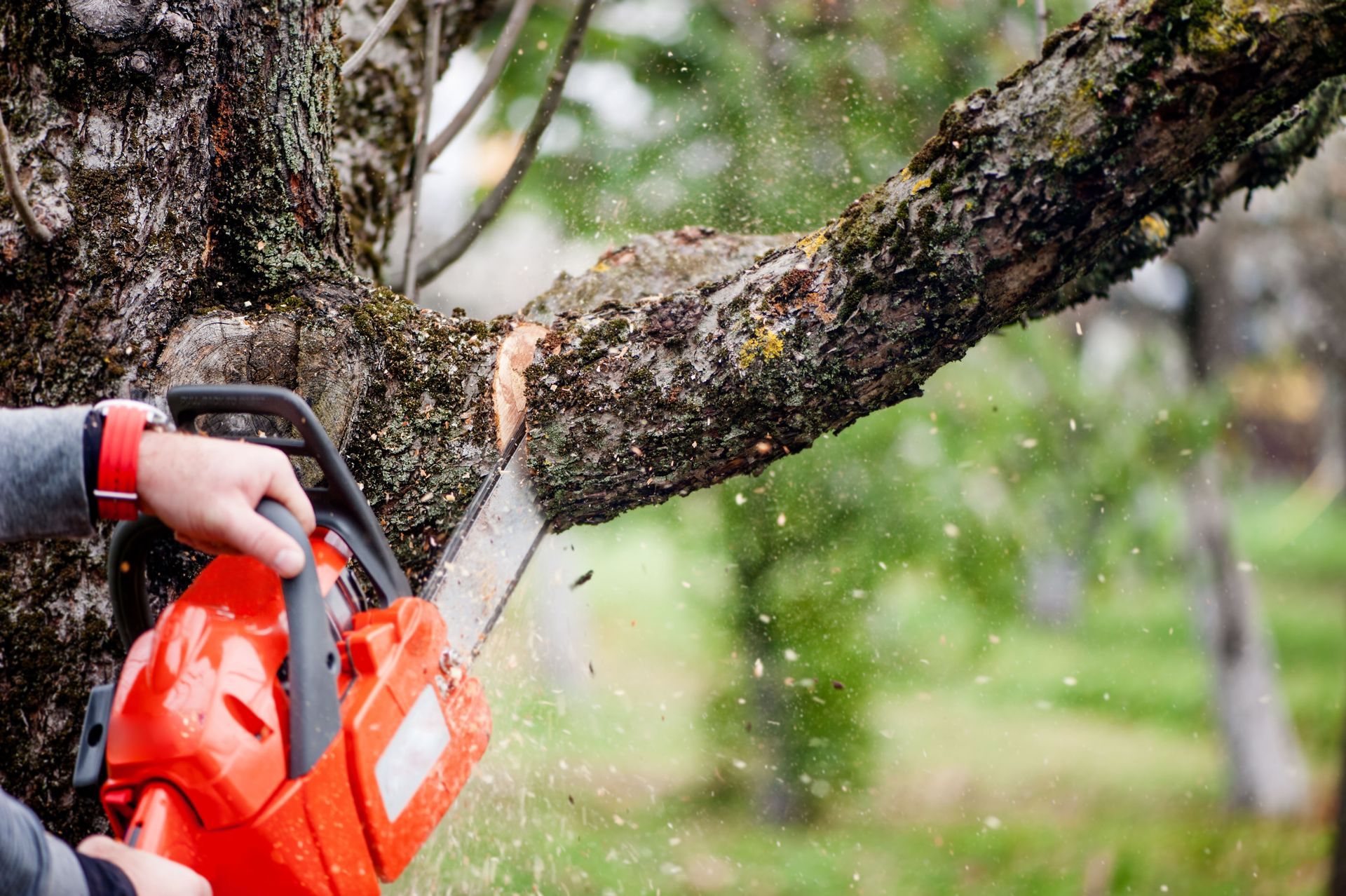
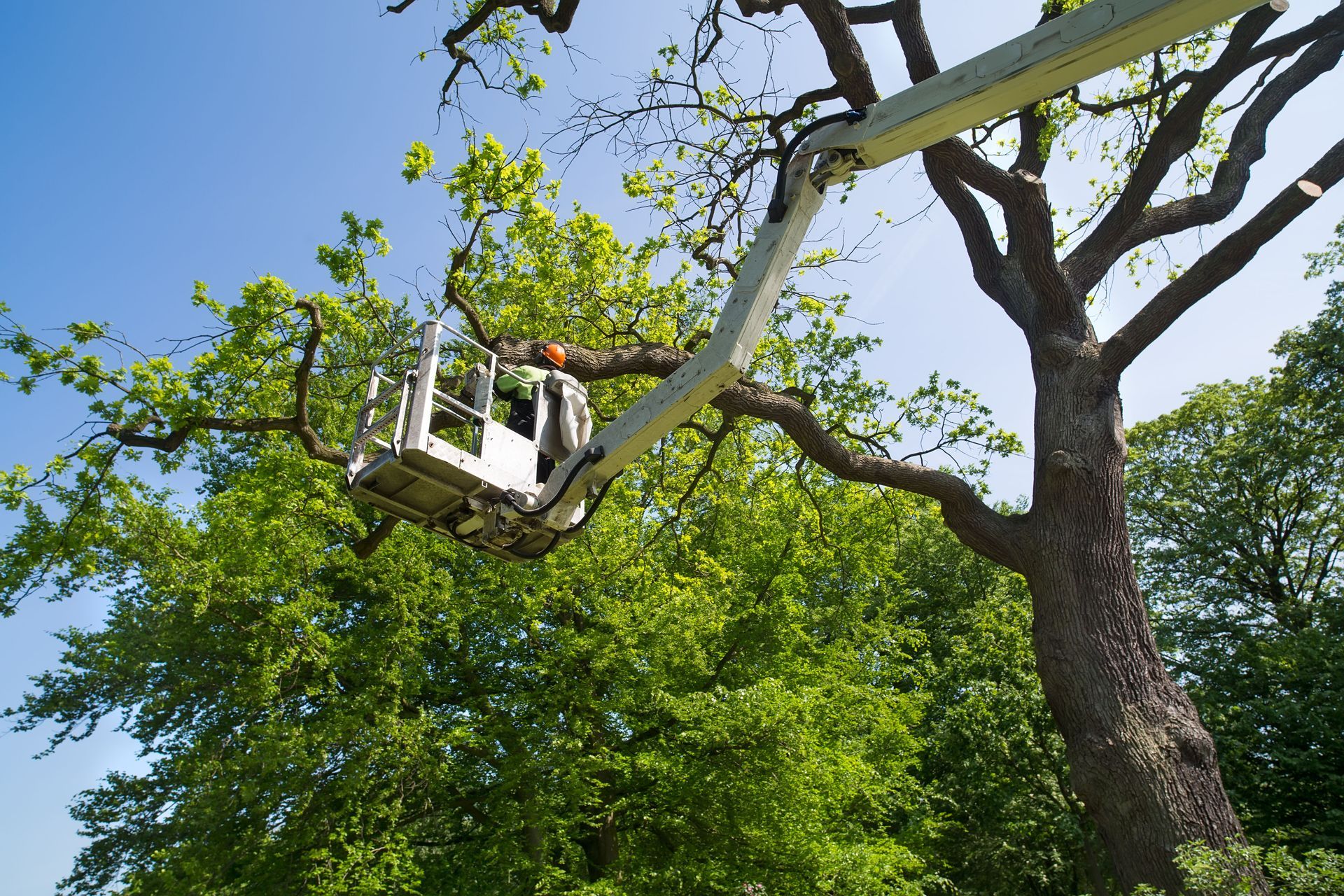
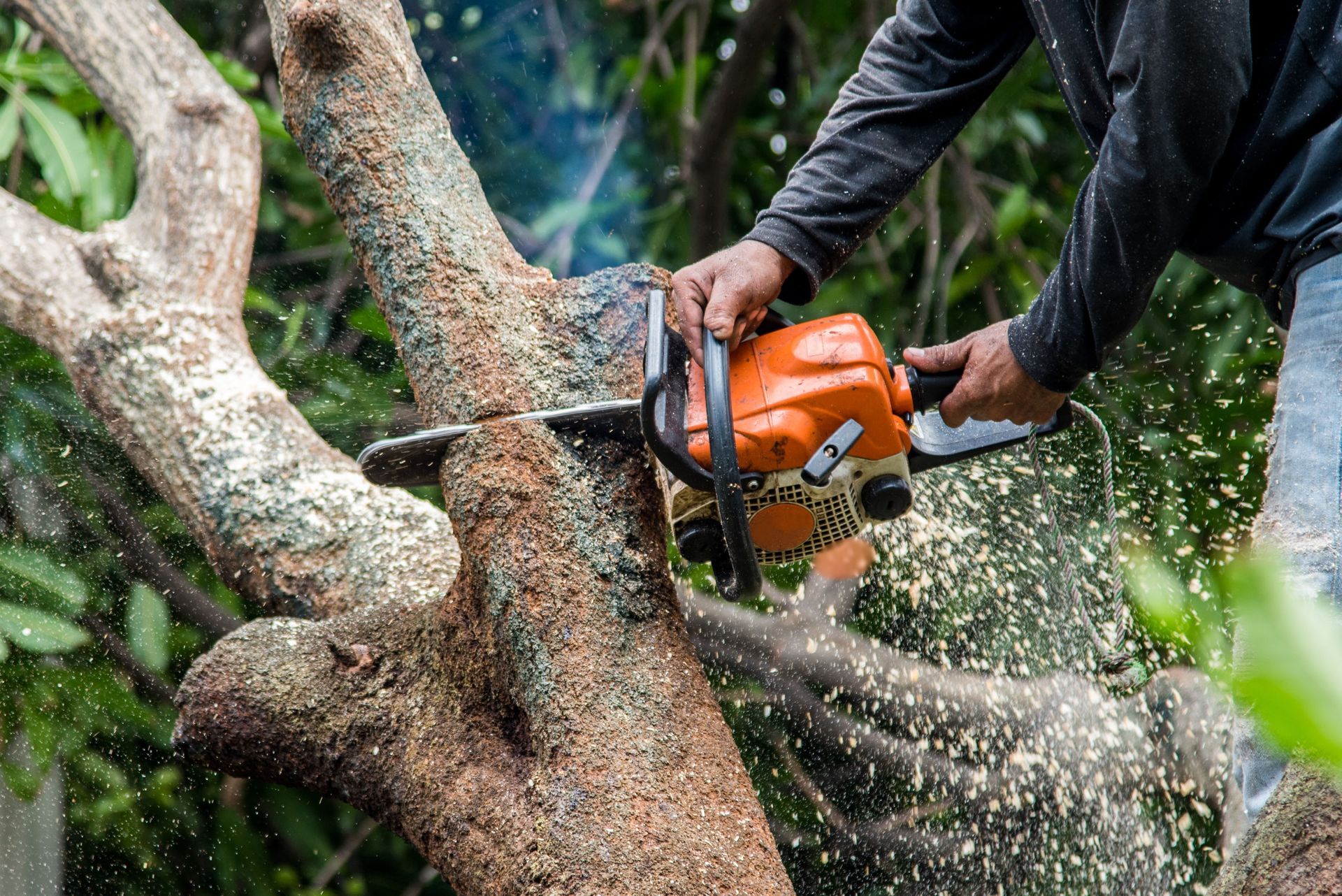
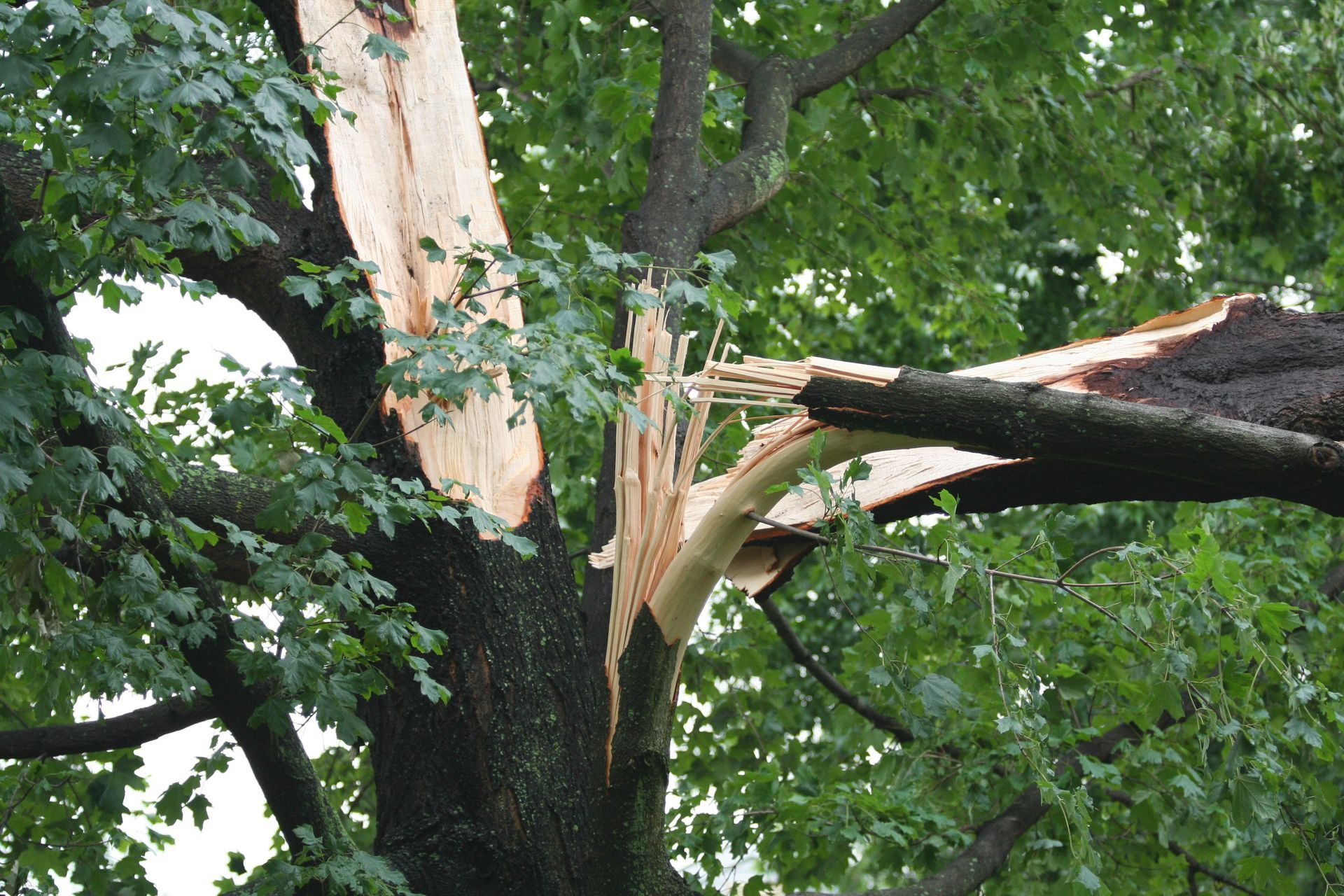
Trees can also become hazardous after a storm, posing direct threats to both property and human safety. Look for obvious warning signs like leaning trunks, broken limbs, and uprooted bases. Professional arborists provide tree services that help determine whether a tree remains stable or requires complete removal. Because trees often hide structural damage internally, professional evaluation is essential for preventing unexpected falls.
Addressing Hazardous Conditions and Access
Downed power lines present a significant safety hazard following severe weather and must always be treated with extreme caution. Assume all downed lines are active and maintain a safe distance at all times. Contact the local utility company immediately if you observe any fallen electrical lines on or near your property. Never attempt to move or touch the lines yourself, as doing so can cause serious injuries.
Storm debris frequently obstructs driveways, walkways, and roads, limiting overall mobility around your home. Evaluate all outdoor paths for fallen branches, debris, and broken glass before moving around the property. Clearing these passageways ensures easy access for emergency personnel and utility providers. Establishing secure access points allows for efficient damage assessment and faster post-storm recovery efforts.
Documenting Storm Damage for Claims
Documenting storm damage through detailed photographs is crucial for insurance claims and repair planning. Capture clear images of affected areas, including structures, landscaping, and fallen branches. Ensure your photos display the full scope of damage from multiple angles to provide comprehensive evidence. This thorough visual documentation aids significantly when advocating for full compensation from insurance providers.
Informing local authorities about the extent of regional storm damage helps mobilize community cleanup efforts. Report significant hazards, blocked public roads, and unsafe conditions to the appropriate local agencies. This collaborative effort ensures that municipal resources are allocated efficiently for cleanup and restoration. Accurate community reporting enhances the overall effectiveness of regional recovery programs.
Organizing Insurance and Property Records
Gathering your insurance information promptly prepares you for filing claims without unnecessary delays. Document policy numbers, contact details, and specific coverage details that pertain to storm recovery. This organized information is essential when communicating with your insurer to process claims smoothly. Keeping precise records speeds up the process of obtaining needed financial resources for repairs.
Keep a detailed record of all fallen or damaged trees, noting the size and location of each. This log assists greatly in planning for removal, potential replanting, and formal insurance documentation. Detailed notes help professional tree services gauge the scope of work before arrival at the site. Taking note of every piece of property damage builds a complete picture for your insurance provider.
Understanding Insurance Coverage and Benefits
Thoroughly reviewing your insurance policy before filing a claim ensures a clear understanding of coverage obligations. Identify the specific types of damage covered, applicable deductibles, and exclusions relevant to storm restoration. Seeking clarification from your insurance agent early on helps prevent misunderstandings later. Staying informed maximizes your claim benefits and streamlines the financial recovery phase.
Tree damage resulting from severe weather is often subject to specific policy conditions. Clarify whether your insurance policy covers fallen trees that threaten structures or block essential driveway access. Knowing what is covered helps prioritize necessary professional interventions and establishes clear cost expectations. Communicating directly with your insurer provides clarity regarding coverage details and personal financial responsibilities.
Navigating Adjusters and Reimbursements
Collaboration with insurance adjusters is vital for verifying property damage and securing fair claim settlements. Provide adjusters with your organized photographic evidence and detailed records to support your claim fully. Open communication helps adjusters understand the full impact of the storm and facilitates accurate assessments. Being proactive during this review process strengthens your position during settlement discussions.
Many insurance policies include specific reimbursements for professional tree removal, which homeowners should always explore. These policy clauses typically cover removal costs if a fallen tree poses a direct risk to insured structures. Utilizing available reimbursements optimizes your financial resources during property restoration. Promptly submitting repair estimates and damage reports ensures timely financial support for all necessary repairs.
Selecting a Quality Service Provider
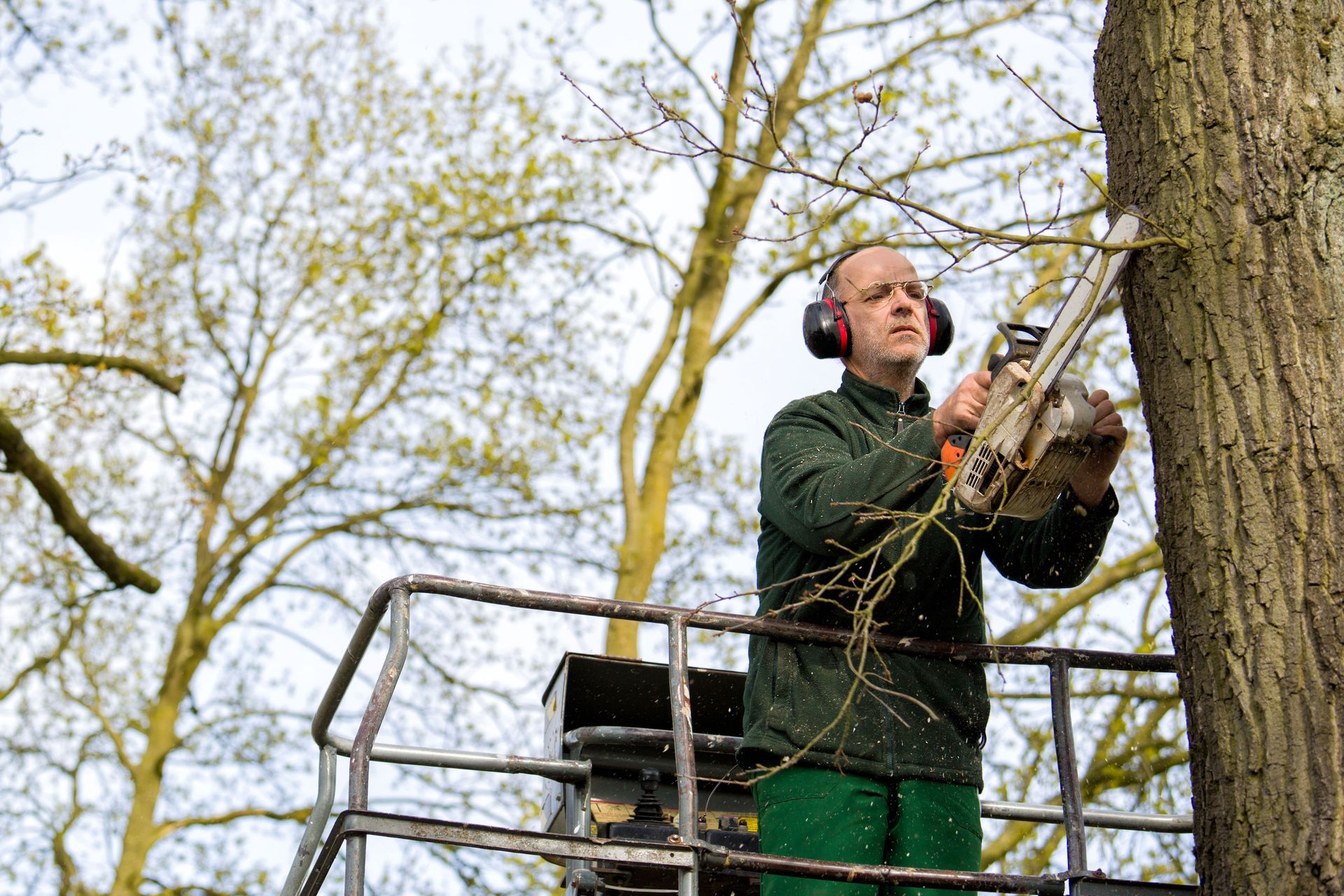
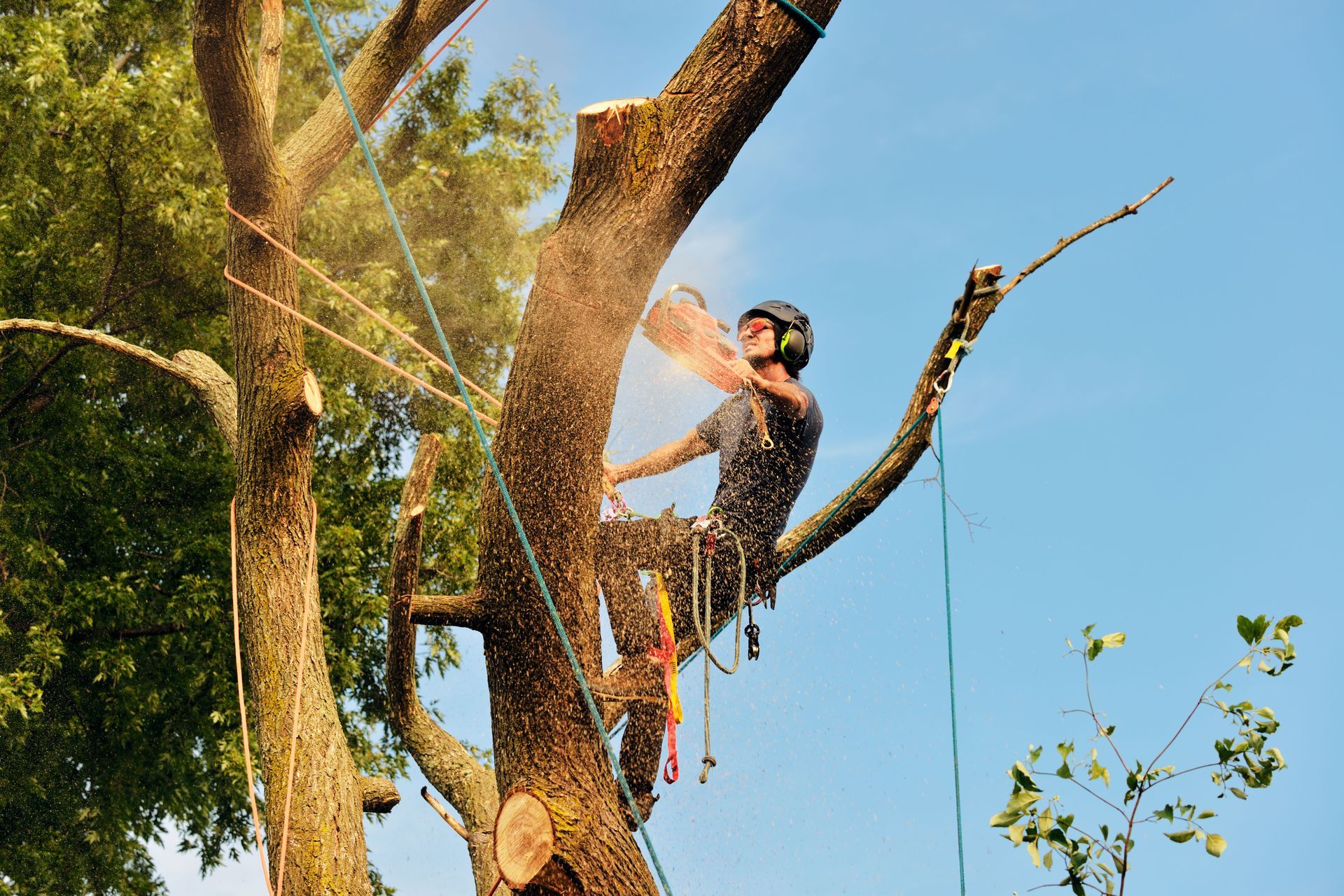
Choosing a qualified professional company ensures that post-storm cleanup is conducted safely and correctly. Look for providers with strong credentials, proper state licensing, and comprehensive liability insurance. Certified teams follow strict safety protocols that protect your property during complex removals. Relying on experienced tree services guarantees that high-risk cutting and clearing tasks are completed without added stress.
Customer reviews and testimonials offer valuable insights into the reliability and quality of local providers. Researching feedback from past clients helps you gauge timeliness, work ethic, and overall customer satisfaction. Securing multiple written estimates allows you to compare pricing, timelines, and proposed procedures effectively. Comparing these details ensures you receive high-quality care that fits within your restoration budget.
Implementing Effective Restoration Strategies
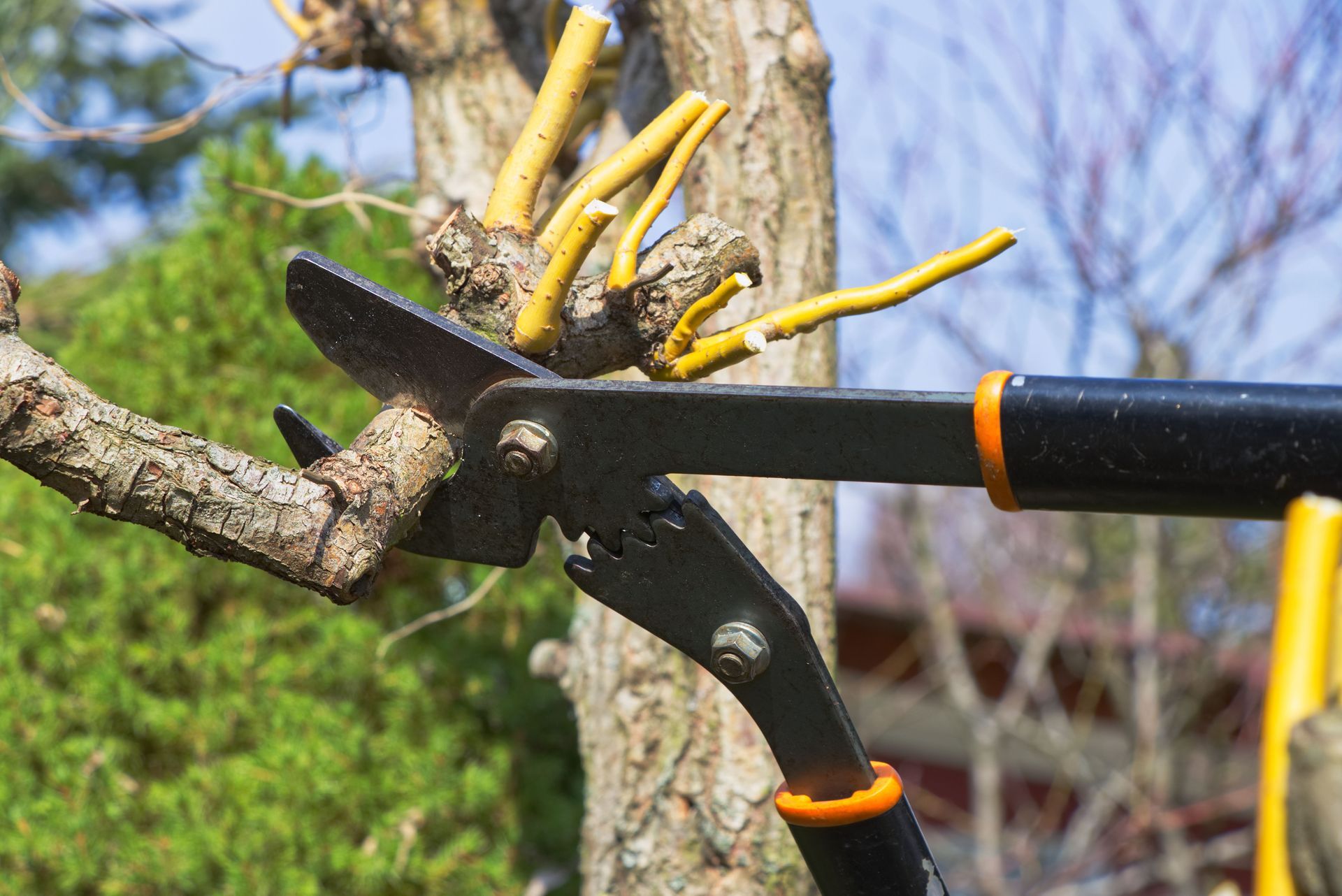
Planning tree management involves carefully evaluating the condition, safety, and timing of each situation. According to Lawnstarter, the number one time to remove a tree is from late winter to early spring. Timing removal work appropriately allows for safer operations before dense seasonal growth creates additional logistical complications on your property. Evaluating overall structural health helps determine whether complete removal or targeted pruning is necessary.
Organizing debris disposal is another vital restoration step that keeps your property clean and safe. Establish designated areas for debris that comply with local municipal waste management guidelines. Proper disposal methods, such as chipping or composting, minimize environmental impacts while clearing your yard quickly. Coordinated cleanup efforts restore the natural beauty and usability of your outdoor living spaces.
Restoring Lawns and Landscapes
Restoring damaged lawns and gardens enhances both the aesthetic and functional value of your property. Inspect turf and plant beds for soil compaction, uprooted vegetation, or broken infrastructure requiring attention. Applying fresh mulch, re-seeding grass, and replanting sturdy vegetation encourages healthy regrowth over time. A systematic approach to garden recovery lays a strong foundation for long-term landscape vitality.
Selecting climate-adapted plant species for new landscaping ensures better resilience against future weather events. Working alongside local nursery experts helps you choose trees and shrubs suited to your specific soil and climate conditions. Thoughtful replanting restores natural shade, privacy, and visual appeal to your yard. Investing in quality landscape restoration transforms post-storm recovery into an opportunity for property enhancement.
Responding to severe weather with a clear action plan mitigates property risks and accelerates overall recovery. Assessing structural damage, documenting losses for insurance, and investing in ongoing landscape care safeguards your home for years to come. Taking proactive steps today prevents major storm hazards tomorrow, giving you complete peace of mind. For reliable, professional assistance with all your tree services and post-storm recovery needs, turn to the experienced team at Big Orange Tree Service.
Share On: