
How Local Tree Companies Keep Residential Properties Safe
Healthy trees add beauty, shade, privacy, and value to residential properties, but they also require proper care. Overgrown branches, unstable trees, storm damage, and falling debris can create serious hazards. Local tree companies provide specialized services that help homeowners protect structures, outdoor spaces, and people while preserving healthy trees whenever possible.
Identifying Hazardous Trees
One of the most important ways tree companies improve residential safety is by identifying trees that may pose a hazard. Trees can develop structural weaknesses because of age, disease, insect activity, environmental stress, or storm damage, and some problems may not be obvious from the ground. Experienced local tree companies evaluate visible signs such as dead branches, cavities, cracks, leaning trunks, damaged bark, and unusual growth patterns to determine whether a tree requires attention. Identifying potential hazards early can give homeowners an opportunity to address problems before a weakened branch or tree becomes a threat to people, vehicles, roofs, fences, or other structures.
Removing Dead or Damaged Branches
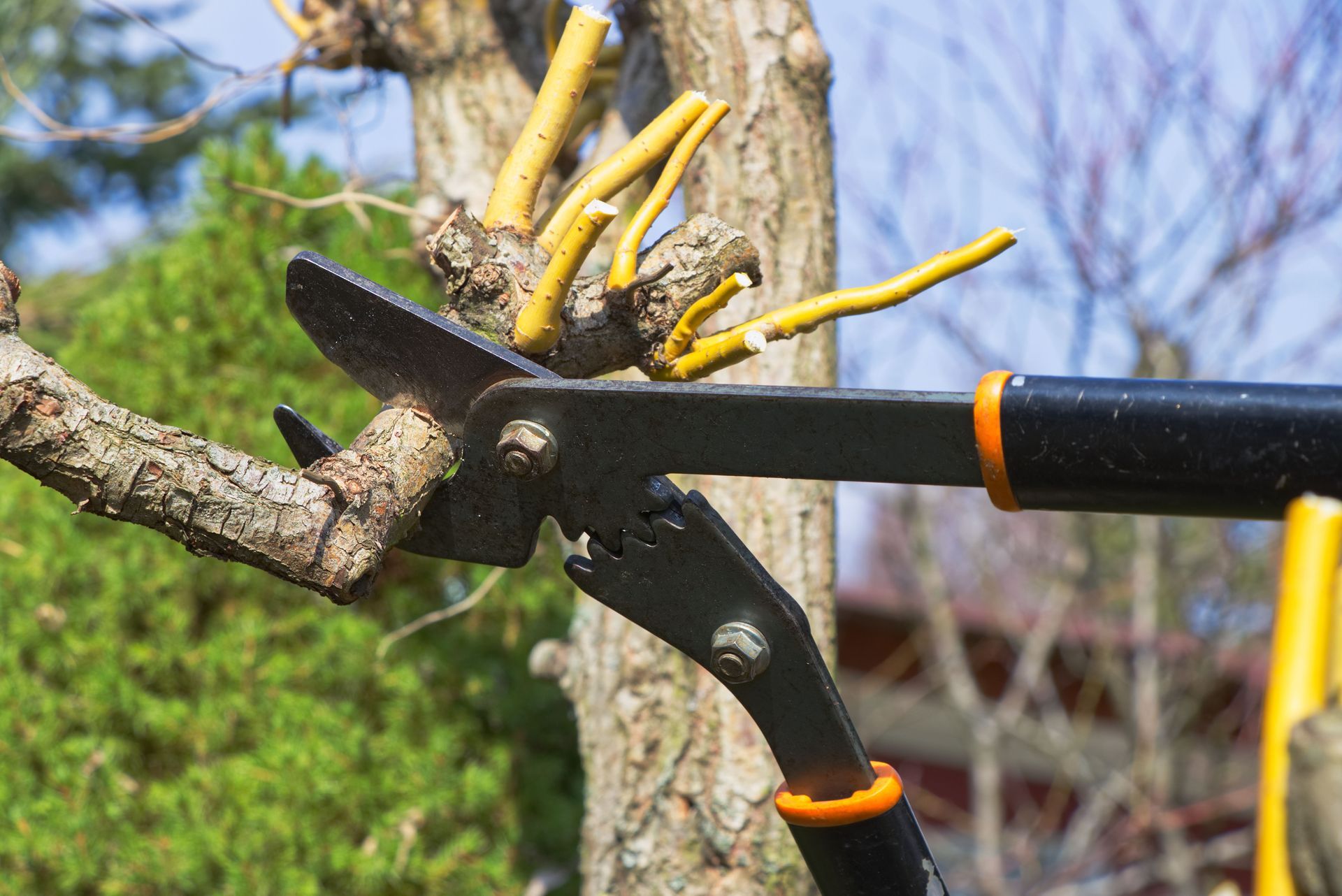
Dead and damaged branches can become dangerous as they deteriorate or encounter strong winds and severe weather. Even relatively small branches can cause property damage when they fall from significant heights, while larger limbs can threaten roofs, vehicles, power lines, and outdoor structures. Tree companies can identify branches that are no longer healthy and determine which ones should be removed. Strategic pruning and branch removal can reduce potential hazards while helping the tree maintain a healthier structure. Keeping problematic branches under control is particularly important around areas where people regularly walk, park vehicles, or spend time outdoors.
Managing Storm-Damaged Trees
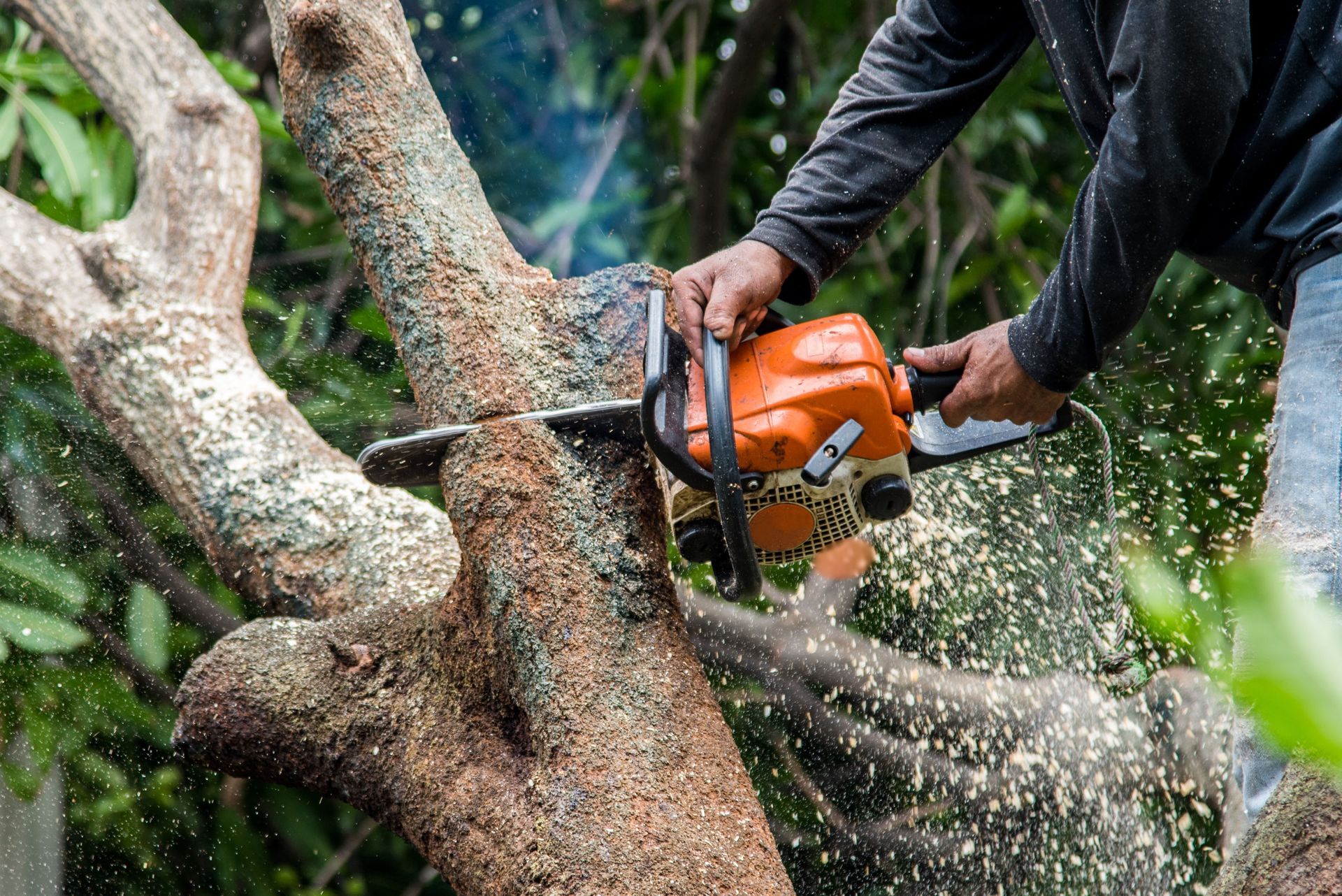
Severe weather can quickly transform healthy trees into safety hazards. High winds, lightning, heavy snow, and ice can break branches, split trunks, or cause trees to lean unexpectedly. Storm-damaged trees may remain unstable even after the weather has passed, making professional evaluation important. Local tree companies can assess damaged trees and determine whether branches should be removed, whether additional support is appropriate, or whether a severely compromised tree needs to be removed. Addressing storm damage promptly can reduce the likelihood of additional branches falling or unstable trees causing further property damage.
Preventing Branches From Damaging Roofs
Branches growing too close to a home can create several problems. During windy conditions, limbs may scrape against roofing materials, siding, gutters, windows, or other exterior features. Larger branches can also fall directly onto a roof and cause substantial damage. Strategic tree trimming helps maintain appropriate clearance between trees and structures while preserving the tree's overall health and appearance. Keeping branches away from vulnerable areas of a home can reduce the risk of physical damage and make it easier to maintain roofing, gutters, and other exterior components over time.
Protecting Power Lines and Utilities
Trees growing near utility lines require careful attention because branches can interfere with electrical infrastructure during normal growth or severe weather. Contact between branches and power lines can create serious safety risks and contribute to outages. Local tree companies can identify vegetation that is growing too close to utility infrastructure and determine appropriate management strategies. Because electrical lines present significant hazards, work involving utility clearance should be handled according to applicable safety requirements and by appropriately qualified personnel. Maintaining proper clearance can help protect both the property and surrounding community while reducing potential disruptions.
Reducing the Risk of Falling Trees
A tree's apparent health does not always reveal the condition of its internal structure or root system. Trees can become unstable because of root damage, soil conditions, decay, disease, erosion, or structural defects. Tree companies evaluate factors that may indicate an increased risk of failure, including leaning trunks, exposed roots, cracks, dead sections, and changes in surrounding soil. When a tree is determined to be unsafe, professionals can recommend an appropriate course of action. Addressing unstable trees before they fail can help protect homes, garages, vehicles, fences, landscaping, and people.
Keeping Gutters Clear of Tree Debris
Trees provide valuable shade and beauty, but leaves, needles, seeds, twigs, and other organic material can accumulate on roofs and inside gutters. Excessive debris can restrict water flow and contribute to overflowing gutters, moisture problems, and damage around the home's foundation. Trees located close to a house can increase the amount of debris that reaches the roof and gutter system. According to RAKE ML, homes close to large trees may need three to four gutter cleanings annually due to increased debris. Strategic maintenance by local tree companies can help manage overhanging growth and reduce the amount of material falling directly onto the home.
Controlling Overgrown Tree Growth
Overgrown trees can create safety concerns when branches extend into walkways, driveways, streets, roofs, or other areas where they may interfere with daily activities. Uncontrolled growth can also make trees more difficult to manage during severe weather. Professional pruning helps maintain appropriate clearance while encouraging a balanced tree structure. Tree companies consider the species, growth pattern, location, and condition of the tree when determining how much growth should be addressed. Maintaining trees before they become severely overgrown can help reduce future hazards and keep residential properties easier and safer to navigate.
Addressing Diseased or Infested Trees
Diseases and insect infestations can weaken trees and make them more susceptible to branch or tree failure. Changes such as unusual leaf discoloration, thinning foliage, dead sections, abnormal growths, holes, or excessive insect activity may indicate that a tree is experiencing stress. Local tree companies can identify visible signs of decline and recommend appropriate next steps, which may include pruning, monitoring, treatment by an appropriate specialist, or removal when necessary. Addressing declining trees early can help prevent weakened branches from becoming hazards and may also help protect nearby healthy vegetation from certain problems.
Improving Visibility Around the Property
Overgrown vegetation can obstruct visibility near driveways, intersections, walkways, entrances, and outdoor lighting. Poor visibility can make it more difficult for drivers and pedestrians to see one another, particularly around properties with busy access points. Proper tree trimming can open sightlines and maintain appropriate clearance without unnecessarily removing healthy vegetation. Improving visibility can be especially valuable near entrances and driveways where vehicles and pedestrians frequently interact. Strategic pruning allows homeowners to maintain attractive landscaping while reducing visual obstructions that could contribute to accidents.
Supporting Healthy Tree Structure
Proper pruning is not only about removing obvious hazards. It can also help trees develop stronger and more balanced structures as they grow. Correctly selected branches can be removed to improve spacing, reduce competing growth, and address structural weaknesses. This can help reduce the likelihood of certain branches becoming overloaded or poorly positioned. Maintaining healthy tree structure over time can make trees more resilient to environmental stress and severe weather. Regular attention by local tree companies is generally more effective than allowing trees to become severely overgrown and then requiring extensive corrective work.
Protecting the Property During Seasonal Changes
Different seasons can introduce different tree-related risks. Spring growth can bring rapidly developing branches, summer storms can produce high winds, autumn can increase leaf and debris accumulation, and winter weather can place additional weight on branches. Seasonal tree maintenance helps homeowners address changing conditions before they become significant hazards. Tree companies can recommend appropriate services based on the property's trees, location, and seasonal concerns. A proactive approach helps maintain clearance around structures and keeps trees in better condition throughout the year.
Local tree companies help homeowners protect people, structures, vehicles, utilities, and outdoor spaces by identifying hazards and maintaining healthy trees. Regular attention can keep properties safer and trees healthier throughout every season. Contact our team at Big Orange Tree Service today!
Share On: