
Local Tree Services for Safe and Healthy Landscapes
Maintaining the health, safety, and aesthetic appeal of urban landscapes is crucial for sustaining vibrant and thriving communities. Local tree services play an indispensable role in achieving this goal. Professional arborists provide critical services necessary for the maintenance of robust ecosystems, ensuring that trees remain healthy, safe, and contribute to the beauty of our surroundings.
The involvement of tree services in urban settings cannot be understated, as they are pivotal in enhancing biodiversity and ecological balance. Arborists, equipped with knowledge and expertise, contribute not only to tree welfare but also to the well-being of entire neighborhoods. Understanding their role is essential to appreciating how local tree services support our environments.
By engaging local tree services, communities reap long-term environmental, economic, and aesthetic benefits. Whether through routine inspections or emergency interventions, these services ensure that trees are well-maintained and landscapes remain safe. As urban areas continue to grow, integrating such essential services becomes increasingly vital.
Definition and Expertise
Local tree services specialize in the care, maintenance, and diagnosis of trees. Their expertise encompasses both the art and science of arboriculture, ensuring trees' health and safety through educated decisions and precise care. Arborists must understand tree biology, pathology, and environmental conditions affecting tree growth and sustainability. They are often consulted for tree assessments, ensuring that community trees contribute to urban resilience and biodiversity. Their knowledge helps enhance the aesthetic value of trees while maintaining ecological balance in urban ecosystems.
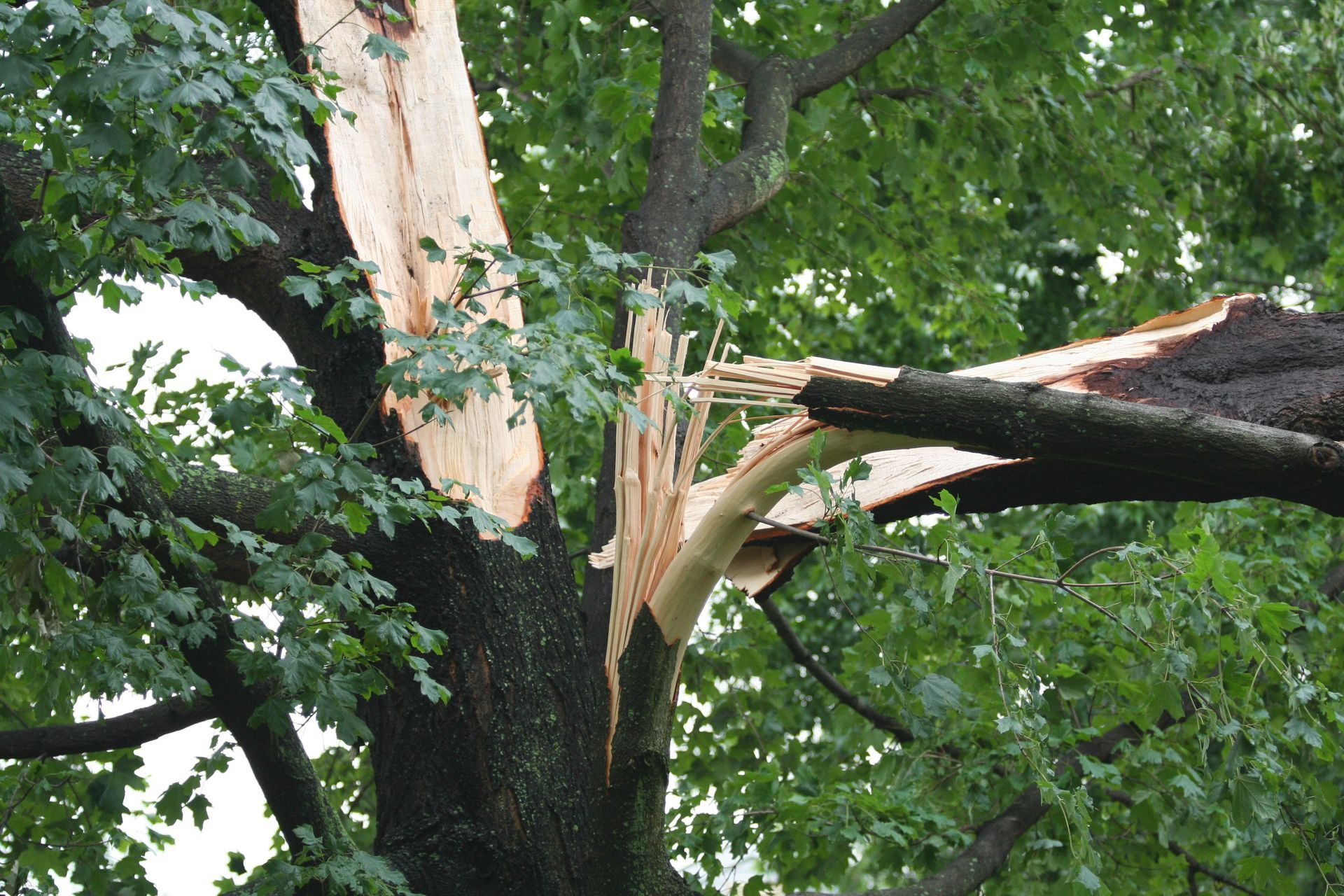
Arborists or tree services are adept at identifying potential hazards, such as weak limbs or diseases, that might compromise tree health or pose safety risks. By promptly addressing these issues, they prevent costly damage and promote the longevity of trees. This vigilance ensures that urban landscapes remain not only beautiful but also safe for residents and visitors. Arborists provide invaluable guidance in tree planting, site selection, and species choices tailored to specific environments. This expertise ensures the growth of trees that thrive in local conditions and complement existing ecosystems.
Their role extends beyond mere technical skills to encompass community education and advocacy. Arborists frequently engage with residents, raising awareness about tree benefits and proper care practices. They conduct workshops and outreach programs to disseminate knowledge on the importance of trees in urban settings. By involving community members in tree care initiatives, they foster a culture of environmental stewardship. In this way, arborists contribute to creating a lasting legacy of healthy, vibrant landscapes sustained through collective effort.
Certification and Qualification Requirements
To become an arborist, one typically undergoes rigorous training and certification, which validates their expertise and enhances their credibility. Many arborists pursue credentials from recognized organizations like the International Society of Arboriculture (ISA), which standardizes arboriculture practices globally. Certification requires passing comprehensive exams that test knowledge of tree biology, safety, and diagnostics. This process ensures that certified arborists possess the competence required to manage diverse tree-related challenges effectively. Continuous education is a hallmark of the profession, as arborists must stay informed about new research, technologies, and industry trends.
In addition to certification, arborists often hold degrees in horticulture, forestry, or related fields that provide a solid foundation in tree sciences. Practical experience, gained through apprenticeships or on-the-job training, further refines their skills. Each state or region may have specific licensing requirements that arborists must meet, underscoring the importance of adhering to local regulations. Professional associations often offer workshops and seminars, enabling arborists to expand their expertise continuously. This blend of formal education and practical experience equips arborists to address complex tree care needs effectively.
Certification not only assures technical competency but also highlights a commitment to ethical standards and best practices in tree care. It serves as a testament to an arborist's dedication to preserving tree health and safety in urban environments. Clients frequently seek out certified arborists because they trust their knowledge, experience, and ability to deliver high-quality services. Arborists are thus integral to fostering sustainable development within cities and towns. Their work contributes significantly to safeguarding urban forests for current and future generations.
Range of Services Provided
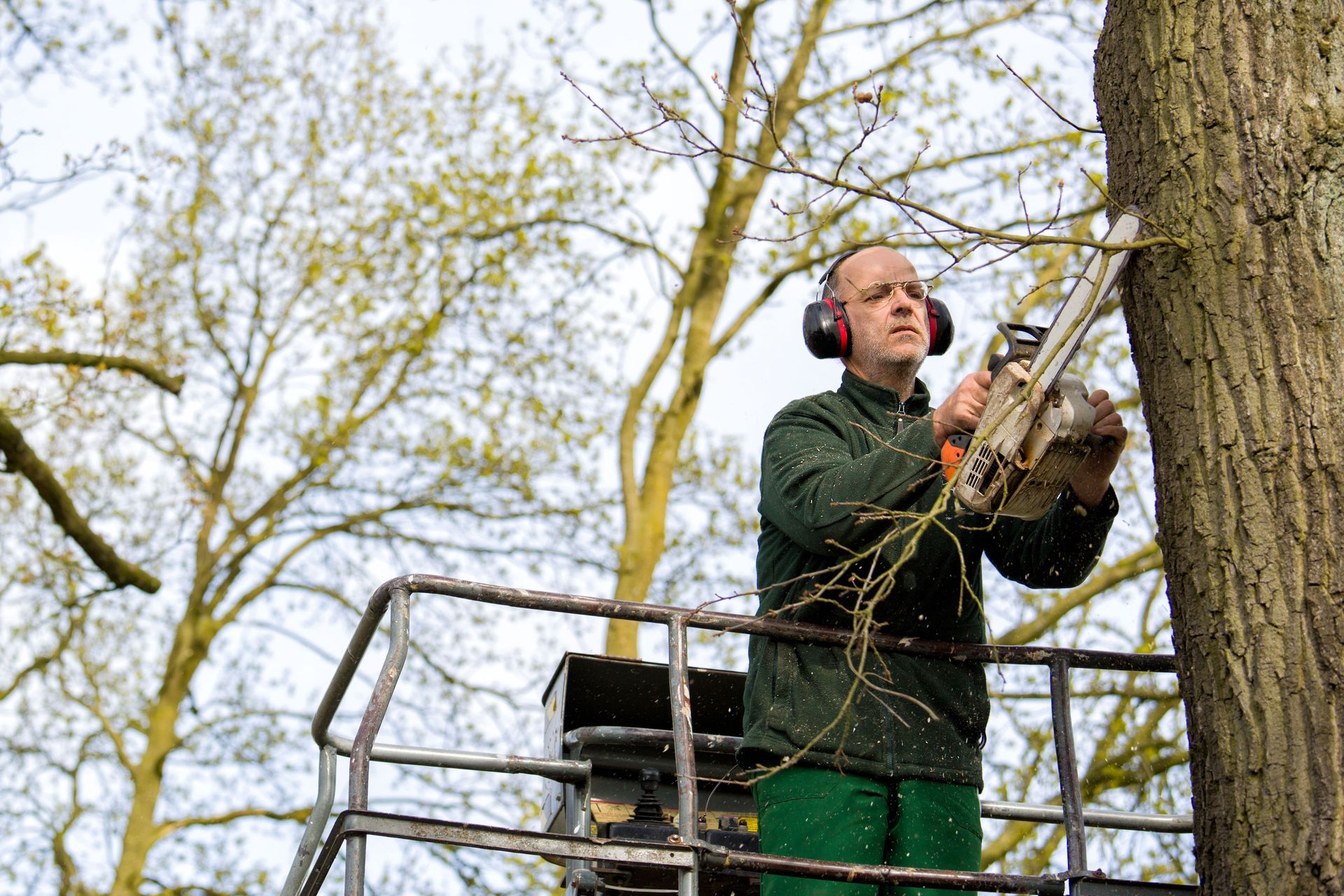
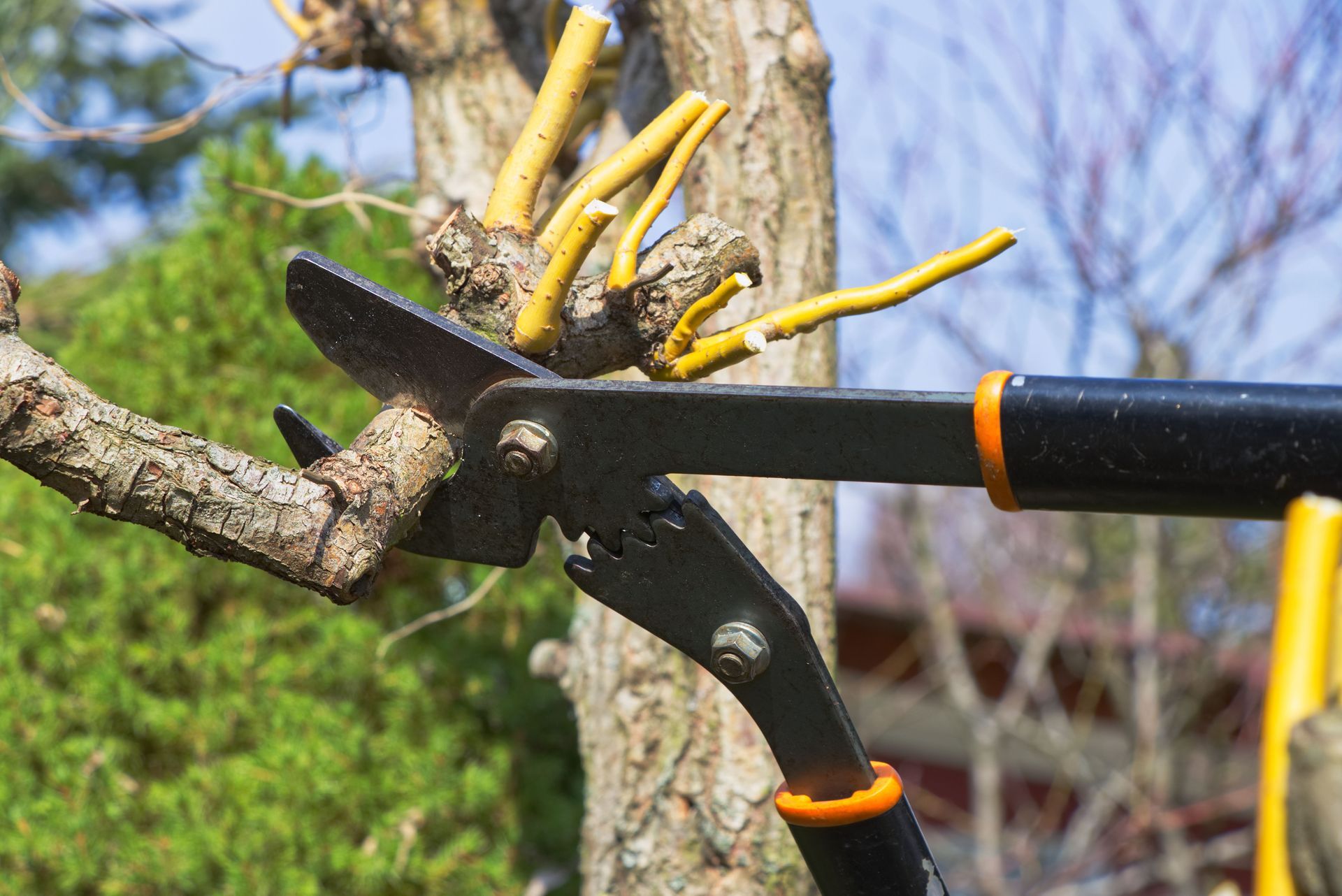
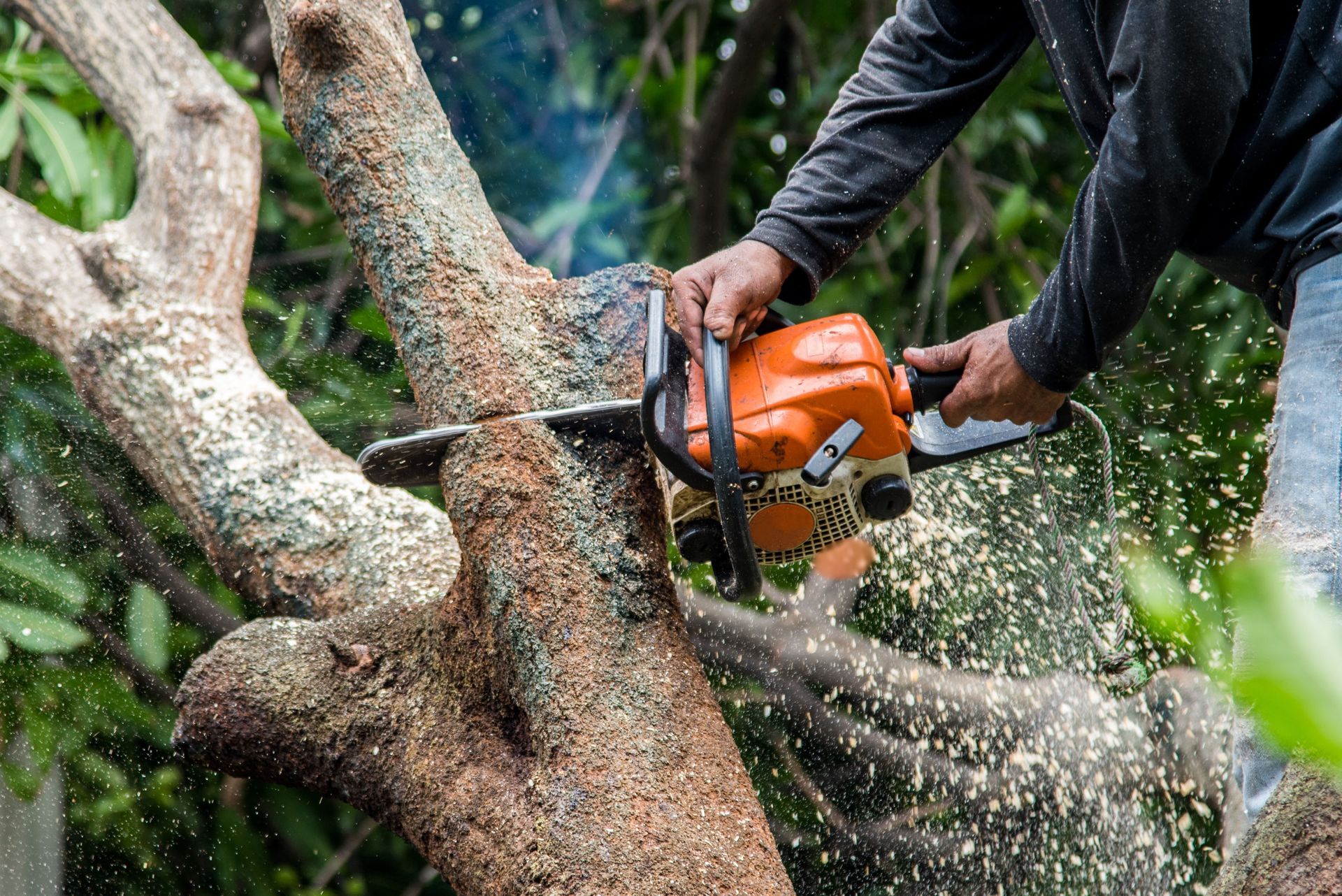
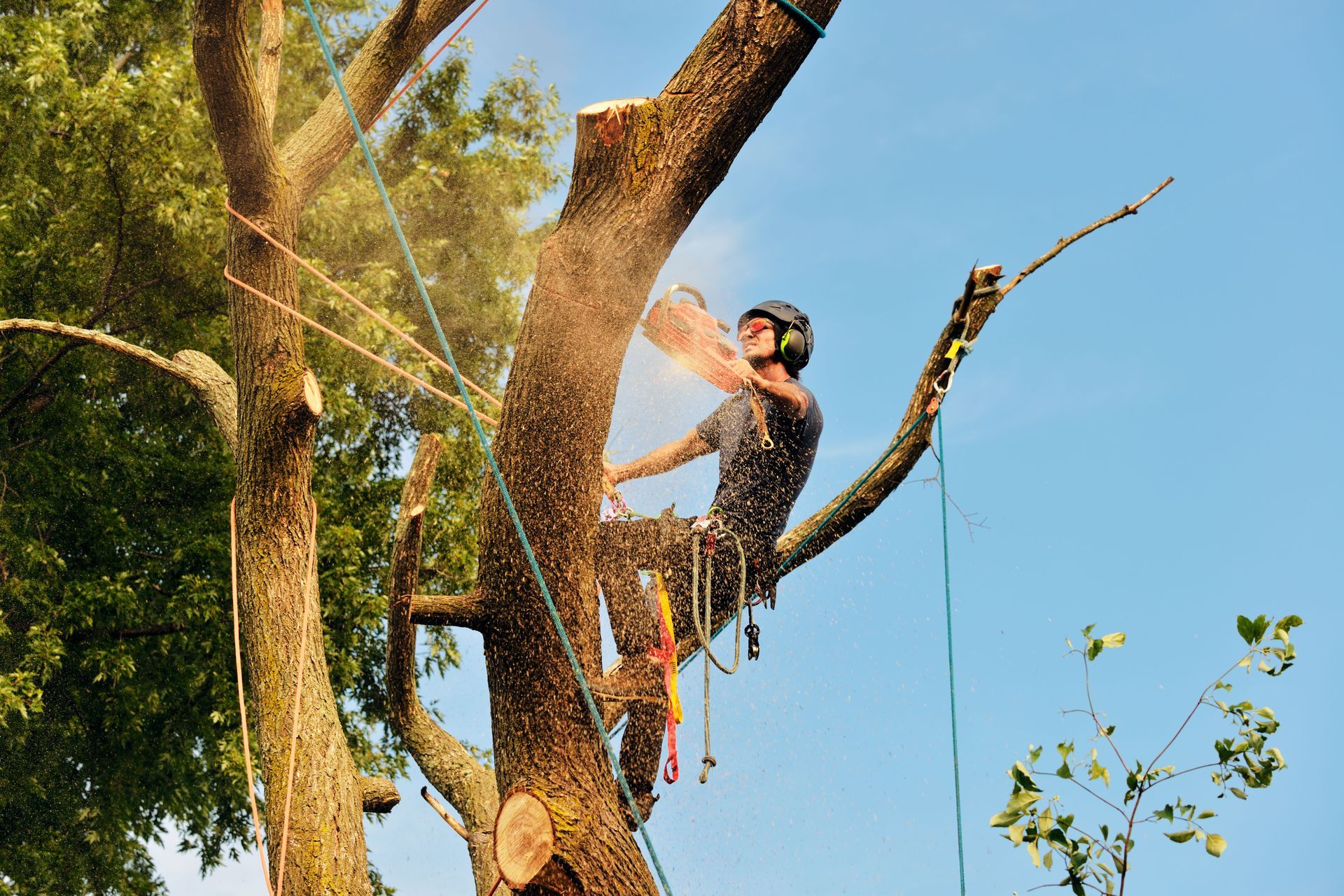
Local tree services offer a wide array of services tailored to meet the unique needs of trees in diverse urban landscapes. These services range from routine maintenance tasks like pruning and fertilization to specialized care such as pest management and tree health assessments. Regular pruning is essential for removing dead or overgrown branches, thereby promoting tree growth and reducing the risk of falling limbs. Arborists also conduct tree inspections, identifying signs of disease or structural weakness that necessitate intervention. Their meticulous care ensures that trees remain vibrant, safe, and integral to urban landscapes.
Beyond maintenance, arborists play a pivotal role in managing tree health through targeted treatment strategies. They diagnose and address tree disorders, implementing interventions that may include soil amendment, pest control, and disease treatment. Arborists are vital allies in combating urban tree decline; a phenomenon exacerbated by factors like pollution, compacted soil, and climate change. By employing integrated pest management techniques, arborists mitigate infestations without harming nearby flora and fauna. Through sustainable care practices, they enhance urban biodiversity and ecosystem resilience.
Impact on Local Ecosystems and Biodiversity
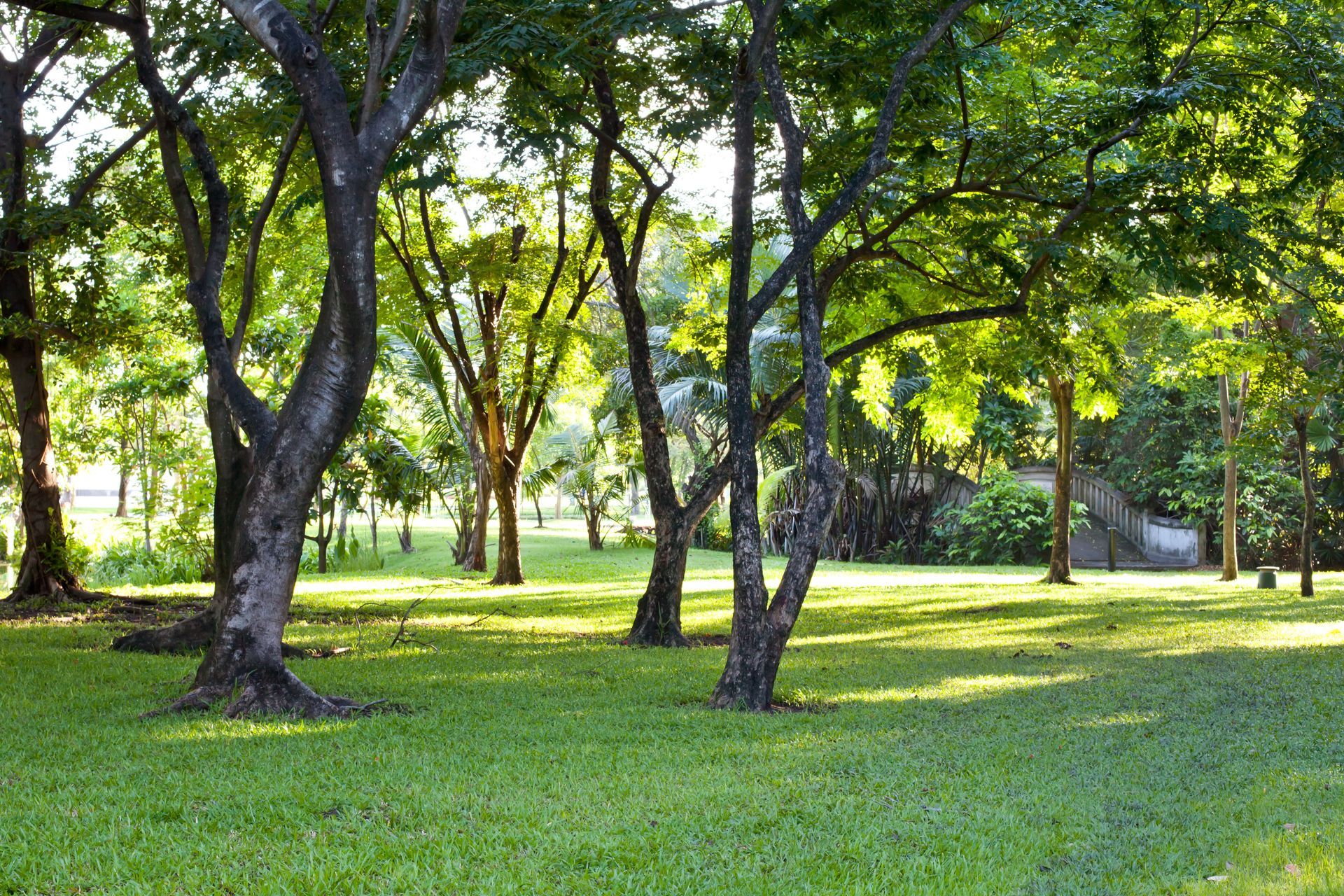
Arborists are key contributors to enhancing urban ecosystems by promoting biodiversity and ecological balance. Through thoughtful selection and placement of trees, they foster habitats that support a wide range of wildlife species. Trees act as critical food sources and shelter for birds, insects, and mammals, helping maintain the diversity of urban fauna. By prioritizing native species, arborists reinforce local ecological networks while enhancing landscape resilience. Their work ensures the vitality and productivity of urban ecosystems, benefiting human communities as well.
Trees play a pivotal role in regulating urban microclimates, mitigating heat islands, and improving air quality. By optimizing tree canopies, arborists enhance the ability of trees to absorb pollutants and provide shade, cooling urban areas. Trees properly placed around buildings can reduce air conditioning costs by up to 30%, according to the U.S. Department of Energy. This demonstrates the economic and environmental value of integrating trees into city planning. Arborists' expertise in sustainable tree placement and care leads to noticeable improvements in urban living conditions.
Community Education and Outreach Programs
Beyond their technical responsibilities, local tree services play a crucial role in community education and outreach. By engaging residents in workshops and informational sessions, they foster an appreciation for trees and their ecological importance. Arborists impart practical knowledge on tree planting, care, and the benefits of maintaining healthy urban forests. Educational initiatives empower communities to participate actively in tree conservation efforts. By bridging the knowledge gap, arborists cultivate a culture of environmental stewardship and informed decision-making.
Outreach programs often include school visits, where arborists introduce students to the beauty and significance of trees within their local environments. Through interactive activities, young learners discover how trees improve air quality, provide habitat, and support climate resilience. By instilling environmental awareness early, arborists contribute to nurturing future generations of environmentally conscious citizens. Community events, such as tree planting days, encourage active involvement and foster a sense of ownership and pride in urban green spaces. Arborists facilitate these events, guiding volunteers in effective and responsible tree care.
Local tree services and certified arborists are indispensable for sustaining healthy, safe, and beautiful urban landscapes. Through their specialized expertise, diverse maintenance services, and community outreach, they enhance biodiversity, regulate microclimates, and foster environmental stewardship. Investing in professional tree care ensures thriving, resilient urban ecosystems for current and future generations. For tree services in the area, call Big Orange Tree Service today.
Share On: