
6 Signs You Need a Local Tree Service
Trees can add significant value and beauty to your property, but they also require regular maintenance to ensure their health and safety. Ignoring certain signs of decline could lead to property damage or personal injury, making it essential to recognize when it is time to call in the experts. Property owners frequently underestimate the structural complexity of large plants, assuming they can manage growing canopy demands without specialist assistance. However, biological stress factors and physical instability are often obscured to the untrained eye, quietly compounding until a major failure occurs during a storm or high wind event.
By understanding the physiological and structural signals that indicate a specimen is under stress, you can take a proactive approach to property management. Utilizing a local tree service ensures that structural vulnerabilities, pathogens, and growth anomalies are addressed before they manifest as costly emergencies. Professional intervention not only preserves the aesthetic appeal of your landscape but also secures the perimeter of your home against falling debris.
1. Assessing Visible Trunk and Canopy Damage
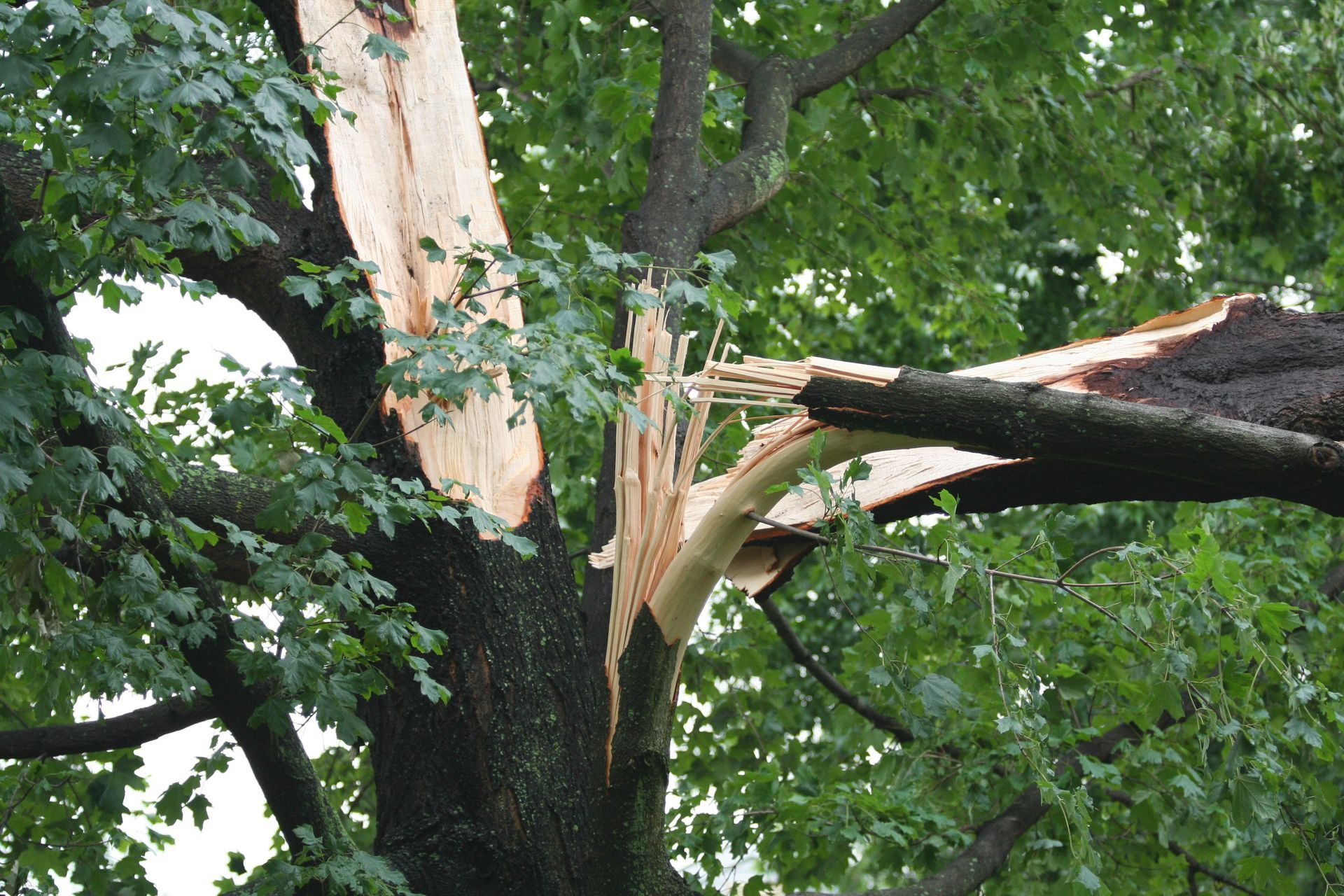
Visible physical damage is often the first indication that a specimen requires professional attention. Cracks and deep splits in the main trunk should never be ignored, as they directly compromise the structural integrity of the entire system. Over time, these fissures expand due to wind load and internal pressure, potentially leading to a weakened structure that could fail unexpectedly. Furthermore, specimens that exhibit peeling, sloughing, or loose bark often suffer from serious underlying health issues. While some minor shedding is normal for specific species, excessive bare spots can indicate advanced disease or severe pest infestations underneath the surface.
Another visible sign of internal trouble is the presence of mushrooms or fungal brackets growing on the wood or around the base. Fungi typically indicate internal decay or root rot, which threatens the biological stability of the system. Dead or missing branches are equally hazardous, as they are prone to snapping during storms or high winds. These dead limbs fail to support their own weight, posing an immediate risk to people, vehicles, and structures below. A professional can safely remove these compromised limbs. According to HomeGuide, any tree over 15 feet tall should be evaluated and maintained by a certified arborist to prevent mishaps.
2. Identifying Symptoms of Severe Disease
Arboreal diseases manifest in various ways, with discolored, wilted, or spotted leaves being the most common early indicators. Foliage that displays unusual colors such as yellow, brown, or black outside of the typical autumn months signifies that the specimen is struggling to transport nutrients. Regular observation of the upper canopy can help you catch these symptoms before the entire system becomes infected. If these symptoms persist or spread to neighboring foliage, securing a local tree service becomes necessary to obtain an accurate diagnosis and implement an effective treatment plan to halt the spread of the pathogen.
Unusual growth patterns and sudden pest infestations are additional signs of an ailing system. These abnormalities can include excessive branch twisting, stunted leaf production, or disproportionate limb growth, which often stem from environmental stress or viral infections. Insects such as borers and beetles cause immense damage by burrowing under the bark, disrupting the vascular tissue that carries water. A weakening or thinning canopy indicates that the system is failing to thrive due to these pests or a lack of soil nutrients.
3. Controlling Excessive Canopy Extension
Overgrown branches pose several operational challenges and safety issues if they are not managed through a regular pruning schedule. Branches interfering with overhead utility lines are a particularly common and volatile problem. Limbs that entangle with electrical wires can cause localized power outages, electrical fires, or severe physical harm to individuals on the ground. Professional intervention ensures that these branches are safely cleared or pruned back using specialized non-conductive equipment. Homeowners must avoid these zones entirely, leaving the hazardous work to a qualified local tree service equipped for high-voltage proximity.
Canopies blocking driveways, sidewalks, or structural pathways can impact accessibility and safety across the property. Overgrown limbs can prevent emergency vehicles from entering the property and obstruct clear lines of sight for daily traffic. Routine pruning alleviates these physical obstructions, preserving clear walkways and reducing the risk of vehicular accidents. Furthermore, unmanaged growth can compromise house structures by encroaching upon roofs, tearing up shingles, or clogging gutters with excessive debris. This litter is not just an unsightly nuisance; accumulated leaves retain moisture against the roofline, leading to accelerated rot and water penetration.
4. Managing Hidden Underground Root Aggression
A stable anchor system is fundamental to the survival of any large plant, yet root health is frequently overlooked because it occurs underground. Surface root exposure, caused by ongoing soil erosion or heavy rainfall, leaves the foundational anchor vulnerable to physical damage and disease. These exposed roots are easily wounded by lawn mowers and foot traffic, creating entry points for wood-decaying organisms. Carefully assessing the zone around the trunk for exposed or soft wood can reveal hidden decay. If you observe structural shifting, enlisting a local tree service will help determine whether the anchor system remains viable.
Disrupted concrete sidewalks, retaining walls, or asphalt driveways signal that roots are expanding aggressively in search of moisture and oxygen. Roots expanding underneath these hard surfaces cause lifting, buckling, and cracking, leading to hazardous walking conditions and expensive structural repairs. If you observe these disruptions, it is essential to address the biological source rather than simply patching the concrete. Soil compaction and uneven ground surfaces around the base often indicate that the root system is shifting under pressure. When the underground network fails to anchor the weight above, the entire structure becomes a falling hazard.
5. Executing Crucial Seasonal Maintenance Tasks
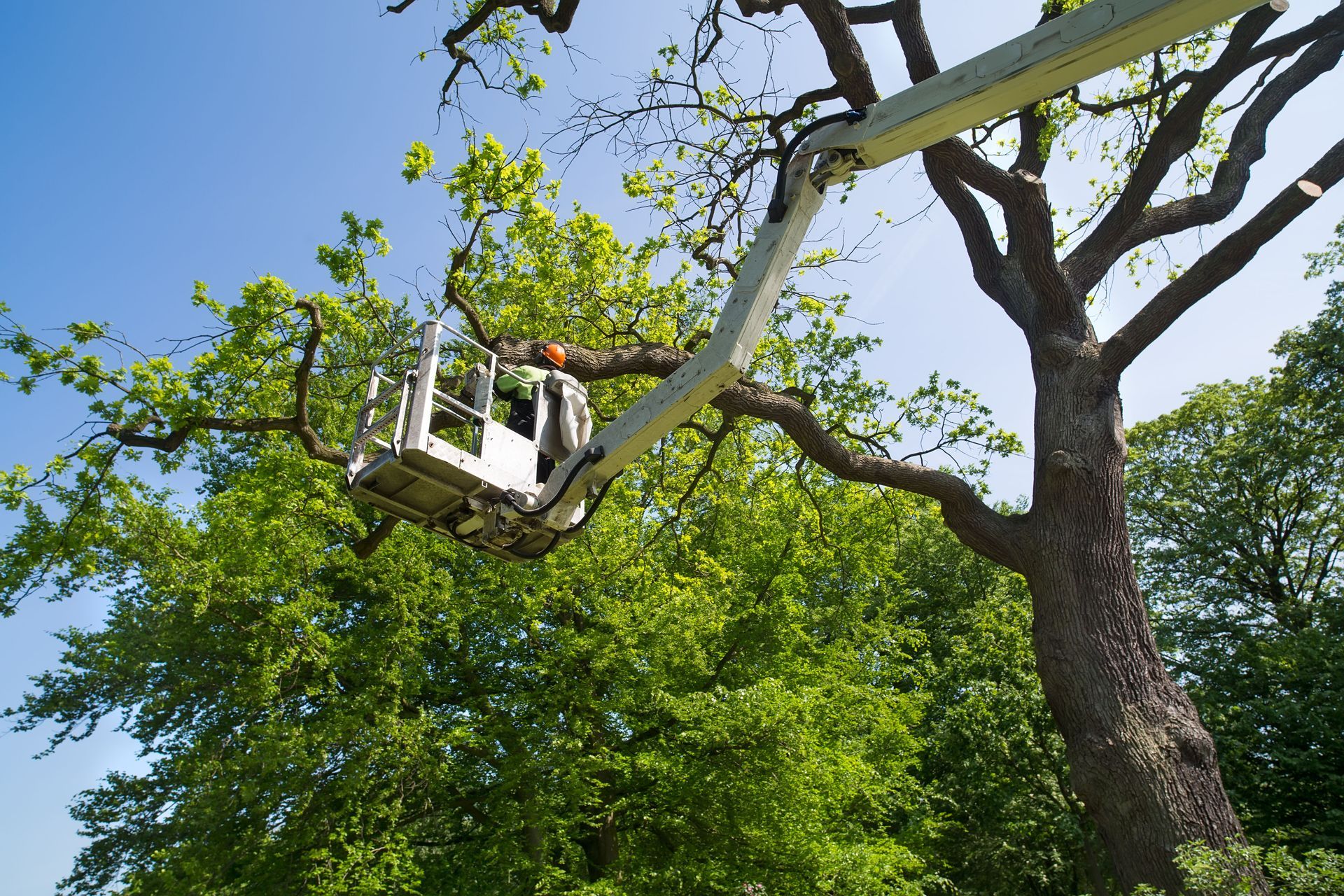
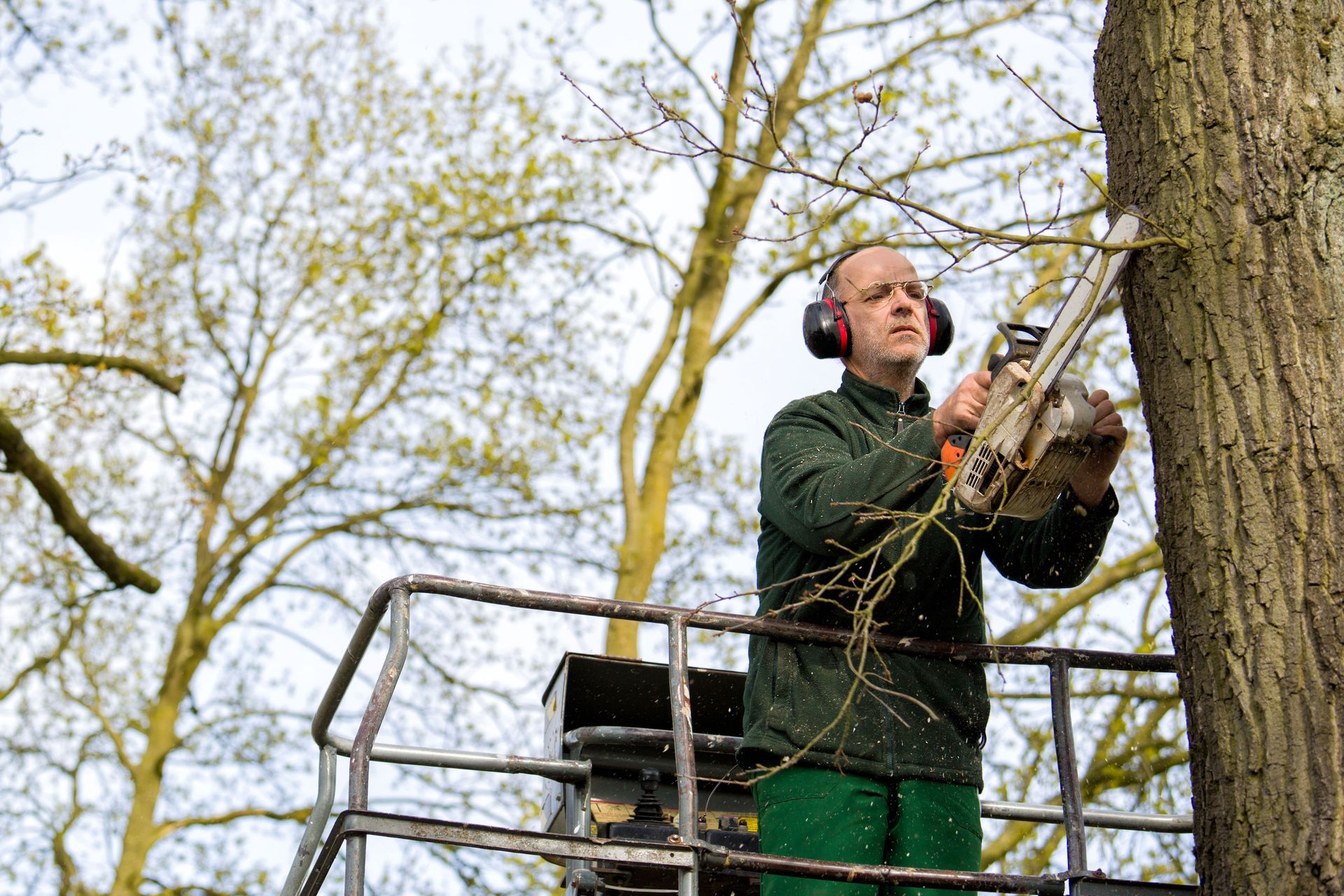
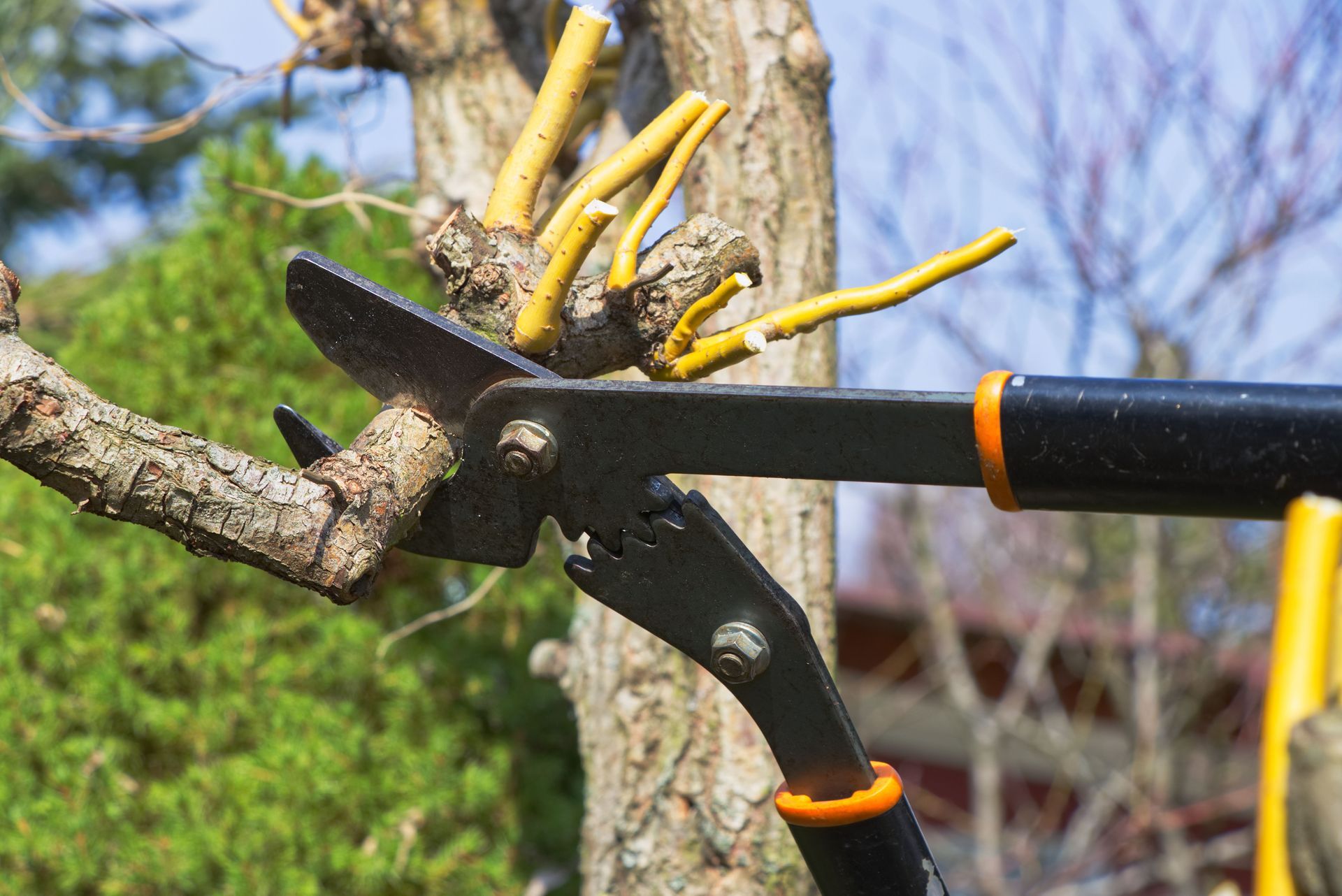
Seasonal care plays a pivotal role in ensuring that your landscape remains healthy and resilient throughout the changing seasons. Pruning for health and safety must be performed routinely to remove weak, dead, or diseased branches before winter winds or summer storms arrive. This practice encourages robust seasonal growth while minimizing the hazards posed by loose debris. Professional pruning enhances the natural shape and structural strength of the canopy, promoting long-term survival. It also provides an opportunity to thin out dense growth, allowing wind to pass smoothly through the canopy rather than acting as a sail.
Post-storm damage inspection is crucial, especially following severe weather events that place immense physical stress on the limbs. High winds, heavy rain, and heavy snow loads can fracture large limbs or split trunks, creating immediate threats that may not be completely detached. Assessing the landscape for stripped bark, cracked limbs, or shifting soil immediately after a storm helps identify hidden dangers. Bringing in a local tree service to perform a comprehensive post-storm evaluation ensures that cracked or hanging limbs are removed safely before they cause property damage or injury during subsequent weather events.
6. Organizing Complex Landscape Renovation Projects
When beginning a comprehensive outdoor renovation project, existing mature plants often dictate the parameters of your design. Tree removal for space clearing might be necessary if specific specimens impede your architectural vision, block construction equipment, or stand directly in the footprint of a planned home extension. Professional removal ensures that the process is completed safely without causing collateral damage to underground utilities, adjacent structures, or desired vegetation.
Transplanting mature specimens is another highly specialized option useful when a valuable plant requires relocation due to property alterations. Professionals possess the heavy machinery, root-ball wrapping materials, and biological knowledge required to move large specimens without causing fatal transplant shock. Understanding how to analyze the soil chemistry and drainage patterns of the new location ensures long-term survival.
Maintaining the health, structural stability, and aesthetic beauty of your landscape requires regular vigilance and timely professional care. By paying close attention to the physical warning signs outlined above, including trunk fissures, canopy dieback, overgrown limbs, and root instability, you can protect your property from sudden failures and avoid costly emergency removals. Investing in routine assessments allows you to catch biological and structural issues early, preserving the longevity of your landscape. Do not wait for a severe storm to test the strength of your canopy; contact a
local tree service today to schedule a comprehensive property evaluation and secure the safety of your home through expert maintenance provided by Big Orange Tree Service by Jason Stiltner.
Share On: