
5 Factors That Can Effect the Cost of Tree Removal
Tree removal can be a complex task, and the costs associated with it can vary significantly. Understanding the factors that affect local tree service costs can help homeowners and property managers plan better and make informed decisions. The decision to remove a tree often involves multiple considerations such as safety, aesthetics, and property value enhancement. The five primary factors that influence the overall cost of tree removal projects are tree size, location, condition, job complexity, and seasonal impact.
1. Tree Size
One of the most significant factors that affects the cost of a local tree service is the size of the tree. Larger trees tend to be more expensive to remove because they require more labor and resources. Not only does the height come into play, but also the diameter of the tree trunk can increase the job's complexity. Additionally, a tree's canopy spread can affect the time and tools needed for removal. For larger trees, specialized equipment may be necessary, driving costs upwards.
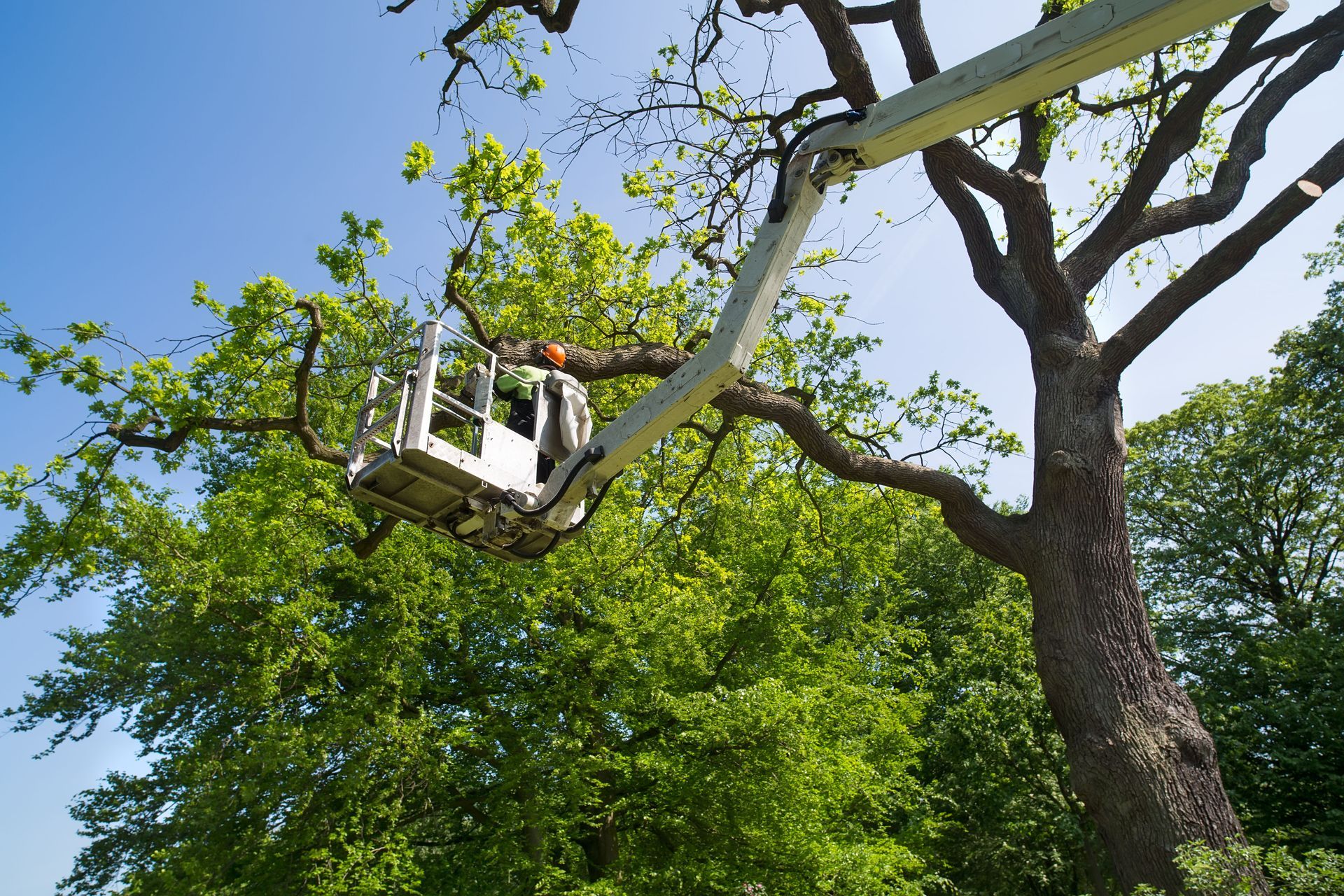
The height of the tree itself directly influences the cost of removal. Taller trees naturally require more work to safely dismantle and are more complex to fell. Companies may need additional equipment like cranes or aerial lifts, and this adds to both time and operational costs. Safety measures increase proportionally with height, as longer distances pose greater risks during the removal process. Consequently, taller trees often incur higher expenses for removal.
The diameter and canopy spread of a tree also factor into its removal cost. Trees with thicker trunks demand more labor as cutting through larger circumferences takes more time and requires stronger machinery. Additionally, a wide canopy can also contribute to increased costs, as it will mean more debris to manage. Trees with extensive canopies might require more time for meticulous pruning and disassembly, further elevating the removal price.
2. Tree Location
The location of a tree significantly impacts the cost of its removal. Trees situated near buildings or other structures pose a higher risk and require more precision during removal to prevent damage. Access to the tree site is also critical; a tree located in a remote or difficult-to-reach area will likely cost more to remove due to transportation and equipment constraints. Urban versus rural settings also make a difference, as prices generally tend to be higher in city environments due to heightened demand and logistical challenges.
While some costs associated with tree removal may increase, addressing damaged or poorly placed trees can reduce other expenses and support smarter long-term savings. According to the U.S. Department of Energy, strategically positioned trees near buildings can lower air conditioning expenses by as much as 30 percent. Removing trees that block airflow or cast excessive shade helps property owners optimize energy efficiency and maintain balanced temperature control. These energy savings can add up over time, helping property owners lower annual utility expenses while improving overall efficiency.
Additionally, the impact of removal on the surrounding landscape can affect project costs. Trees that are deeply integrated into an existing landscape may necessitate other considerations, such as the removal of underground roots that could affect nearby structures or utilities. Elevated risks and potential damage require professionals to take particular measures, which might also include post-removal site restoration. Such additional complexities further influence the overall expense for a local tree service.
3. Tree Condition
The condition of the tree is pivotal in determining the cost of removal. A healthy tree is generally more straightforward to remove than one affected by disease or structural damage. Trees in poor health may crumble easily, posing a hazard that necessitates specialized handling and equipment. Moreover, dangerous limbs or already-dead trees require careful attention to avoid accidents, all of which elevate the cost. Therefore, a tree's overall health greatly influences its removal price tag.
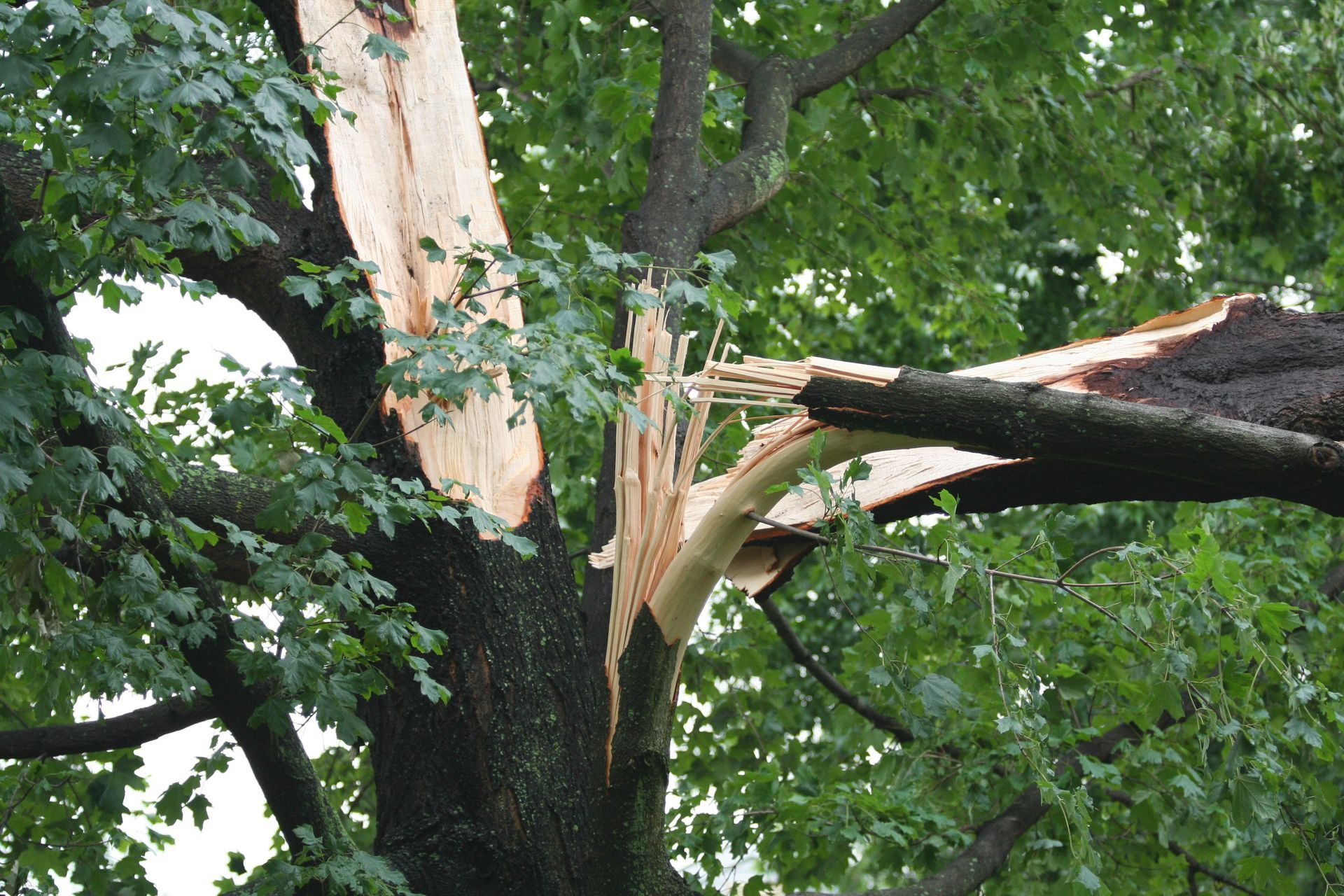
A tree's structural integrity also plays a significant role in costing. Trees with weak branches or trunks can present challenges in terms of safety and efficiency during removal. If the tree shows signs of rot or pest infestation, additional precautions need to be taken to maintain a safe removal process. For instance, sections of the tree might need to be removed a piece at a time, requiring additional time and resources. Structural weakness can thus become a costly factor if not adequately managed.
Pest infestations and prior storm damage are factors that can add to the removal costs as well. Infested trees may require particular handling techniques to prevent the spread of pests, especially if the infestation has affected a wide or hard-to-access area. Similarly, trees that have sustained storm damage are often unstable and need extra safety measures during removal.
4. Complexity of the Job
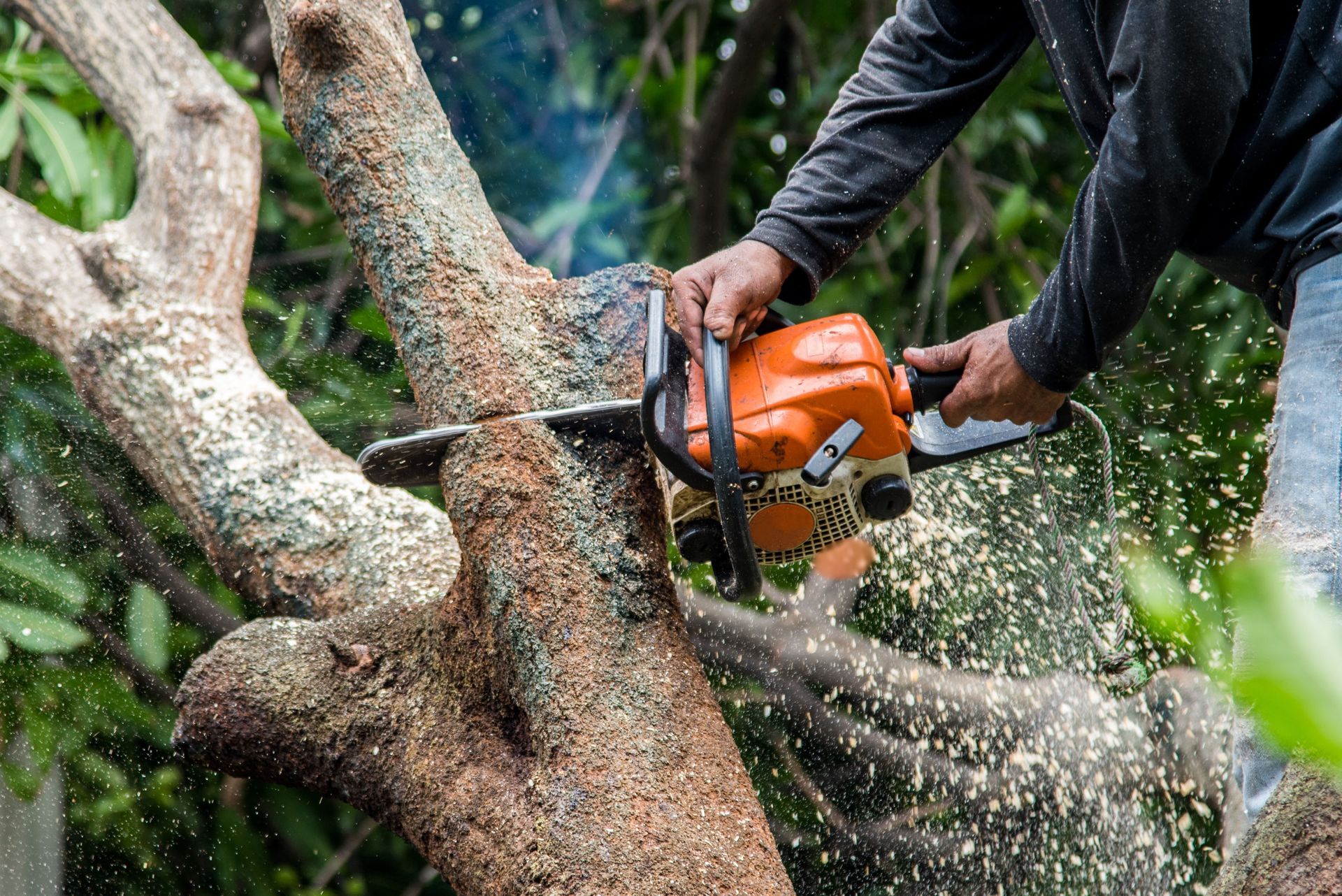
The complexity of a local tree service job also influences its cost. Basic jobs requiring only simple tools and minimal labor are, of course, less expensive. However, the need for specialized equipment such as cranes or aerial lifts, due to the tree's size or location, can substantially increase expenses. If the tree is entangled with power lines or other obstacles, additional safety measures must be put in place to manage these risks.
Job logistics bear heavily on the overall cost structure as well. The presence of obstacles such as power lines, other trees, or fences can require unique solutions, involving more time and equipment. Permitting and regulatory considerations also add another layer of complexity and cost. If local laws necessitate permits or special approvals, these additional steps can extend timelines and increase costs. Complexity-related aspects must be thoroughly assessed.
The logistics surrounding debris removal can also add to the project's complexity. Factors such as distance to dispose of the debris, availability of waste processing facilities, and required labor all play critical roles. Additionally, if the removed tree needs to be cut and transported, advanced planning and strategic execution are necessary. All these logistics can result in additional costs for equipment, labor, and time, making it crucial to consider logistical elements in removal planning.
5. Seasonality Factors
Different seasons come with varying weather conditions, which can impact the safety and complexity of removal. For instance, removing trees during wet or icy conditions can pose additional hazards. Weather can also determine the level of demand for removal services, with certain times of the year experiencing peak activity. Understanding seasonal impacts can thus lead to significant savings if addressed strategically.
Seasonal demand fluctuations largely dictate labor and equipment availability, which in turn affects pricing. During off-peak seasons, companies may offer discounts or incentives, while busy months could see a spike in rates. Scheduling flexibility can be a cost-saving tool for those who can afford to wait for less busy times. Choosing the right time to proceed with a local tree service can make a notable financial difference. Therefore, planning around seasonal patterns is essential for optimizing costs.
Local wildlife and nesting seasons also affect timing and costs associated with tree removal. Specific protected species dictate timing constraints; removing a tree in nesting season may either not be allowed or might entail additional permitting. Such regulations can lead to delays and increased costs. Accessibility and safety considerations can change with the seasons, causing potential cost variations as well.
Various factors, ranging from the physical attributes of the tree itself to external logistics, play a significant role in the tree removal process. Understanding these factors can empower property owners to approach local tree service projects with confidence and strategic foresight. By collaborating with experienced professionals, property owners can navigate these challenges successfully. Contact Big Orange Tree Service by Jason Stiltner today to schedule expert tree care that protects your property, improves safety, and enhances your landscape year-round.
Share On: